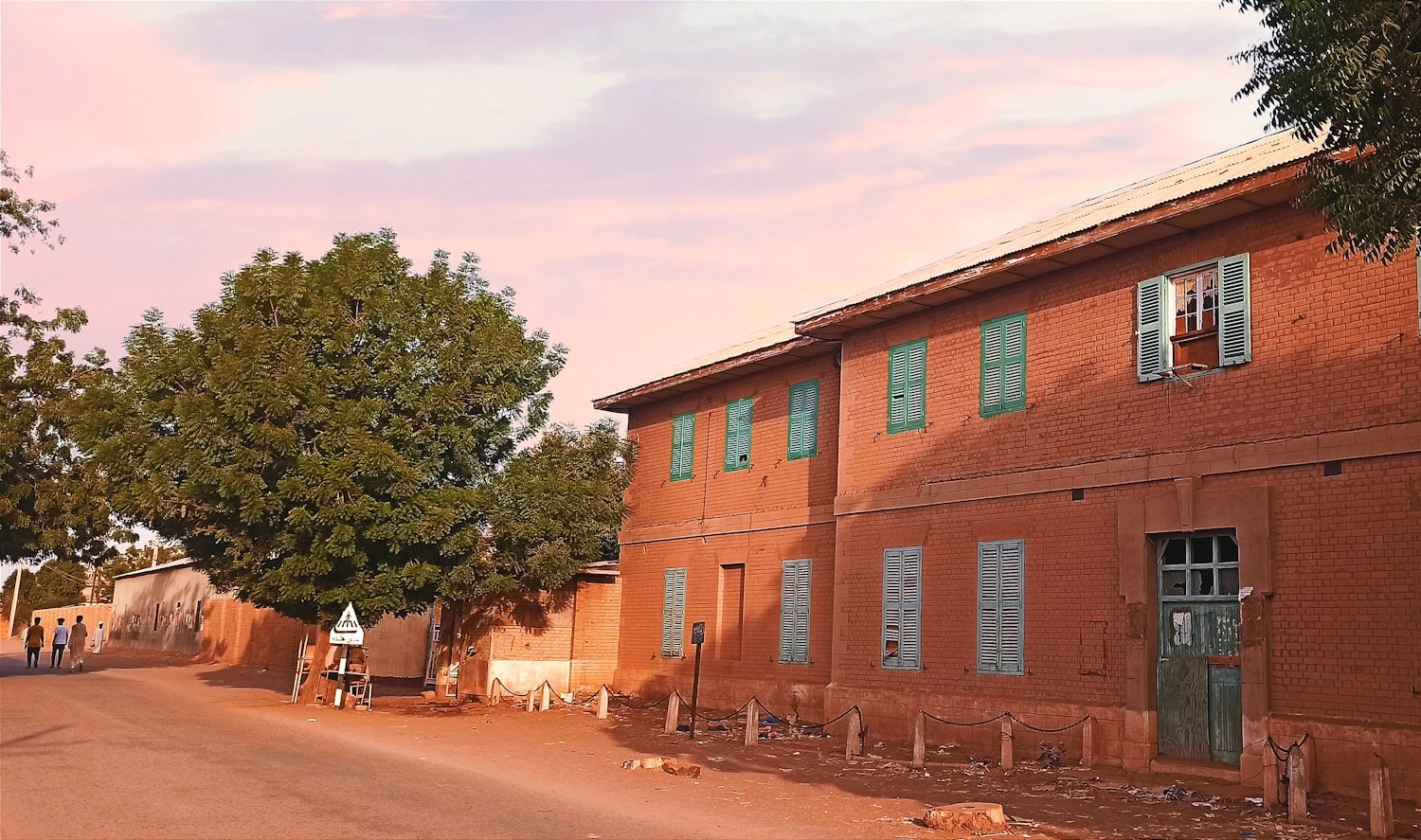
Malaria cases surge in Sudan - urban risk must be considered.
The Ministry of Health in Sudan is currently reporting large numbers of malaria cases in Sudan. This is not unusual for this time of year (end of wet season). The health infrastructure is barely coping. According to medical sources the number of cases is 40% higher than in 2024. The areas most affected include Khartoum, Darfur and Eastern Sudan.
It is highly likely that a similar picture is being experienced in South Sudan as well. Earlier this year the Ministry of Health together with several international agencies launched a major program (including vaccinations) to reduce the impact of malaria across most counties.
Malaria has been a major health challenge in South Sudan for many years with over 5 million cases and 4,000 deaths annually. Many of these deaths are children.
Implications for Australian travellers
Many Australian travellers of Sudanese background visit the sub-Saharan region toward the end of the year, despite current “Do not travel” advice for both Sudan and South Sudan (see Smartraveller guidance for Sudan and South Sudan)
If you are still intent on travelling to these countries, despite the warning, then it is very important to consider the risk of malaria. While many travellers will have experienced the disease as a child and developed a degree of immunity at the time, much of this is long gone by the time they return as adolescents and adults. Another concern can be the very rural aspect of their stay and their access to safe accommodation with insect treated nets (ITN). Should they become unwell, access to health care and treatment can also be very difficult and there is the real possibility of fake medication. The important message is “be prepared”.
Fake medication has been discussed previously.
Malaria deserves special attention
Malaria is not a rare disease, and it requires special attention if travelling to an area of risk.
Three hundred and ninety cases have been reported in Australia to December 10, 2025. This is more than the 5 yearly average prior to the pandemic. It would be nice to see a breakdown of cases by country of travel.
In a study of imported cases to Australia between 2012 and 2022, 1,433 of 3,024 (45%) were from Sub-Saharan Africa. This quality of information is vital for the practice of good quality travel medicine, and we would hope the newly formed Australian CDC will be able to provide this data in the future.
Travellers to this region would only be a small percentage of travellers to countries where the risk of malaria is present
Factors that influence malaria risk in travellers
Trips can be very different, even if the country is the same. These differences must be considered when advising on whether someone should take prophylaxis.
Travel medicine practitioners will never say there is no risk of contracting the disease in a country which is endemic for malaria. It is only possible to give an idea of risk level and leave it up to the traveller to decide whether they want to reduce their risk using prophylaxis or rely on mosquito-avoidance measures only.
The latter also helps to reduce the risk of other mosquito-borne disease.
It is important to consider the following factors and discuss them with your health provider:
Travel itinerary
While a country may be listed as having endemic malaria it doesn’t mean that all the country has the same risk of exposure. Thailand and Indonesia are both listed as endemic for malaria but in recent years the number of reported cases has dramatically decreased, particularly in urban areas where the conditions are often not favourable for the mosquito which transmits malaria. The same applies to many countries with endemic malaria. Altitude also plays a role.
Season of travel
Malaria risk varies according to season of travel. While malaria transmission is consistent for much of the year throughout tropical Africa, it is certainly much less in the cooler months in southern Africa and increases with the wet in Sub-Saharan Africa. Periodic chemoprophylaxis programs are often used to reduce morbidity and mortality in young children in high transmission months. Transmission is also much reduced in India during the cooler, drier months in northern India and Pakistan. The conditions become less favourable for breeding. Nighttime temperatures have a major influence.
Accommodation
Malaria is mostly transmitted by a nighttime biting mosquito. The mosquito may be active both outside and inside. Activity may also vary during the night. Some species in Africa are most active in the second half of the night. Staying in well screened accommodation together with air conditioning substantially reduces your risk of exposure. Sleeping under an insecticide impregnated bed net and using knockdown sprays in living areas can also reduce risk.
Length of stay
Expatriate workers and those visiting family and friends are much more likely to experience a bout of malaria than short term travellers. It is not only due to cumulative risk. Many will start out on chemoprophylaxis but cease during their stay. This can have serious consequences if they have not researched the local support services for their diagnostic capability or the quality of medication.
The trans Africa traveller has a much greater risk of serious disease as they usually have limited knowledge of local services. Carrying Emergency Standby Treatment (EST) and having a good understanding of the signs and symptoms of malaria is very important.
Activities
It is important to consider what activities you might be doing on your trip. In Asia, many activities are during the day. At night you are often in your accommodation or at a venue.
In Africa, many activities take place early in the early morning or at sunset. During the middle of the day, you retire to your accommodation for rest.