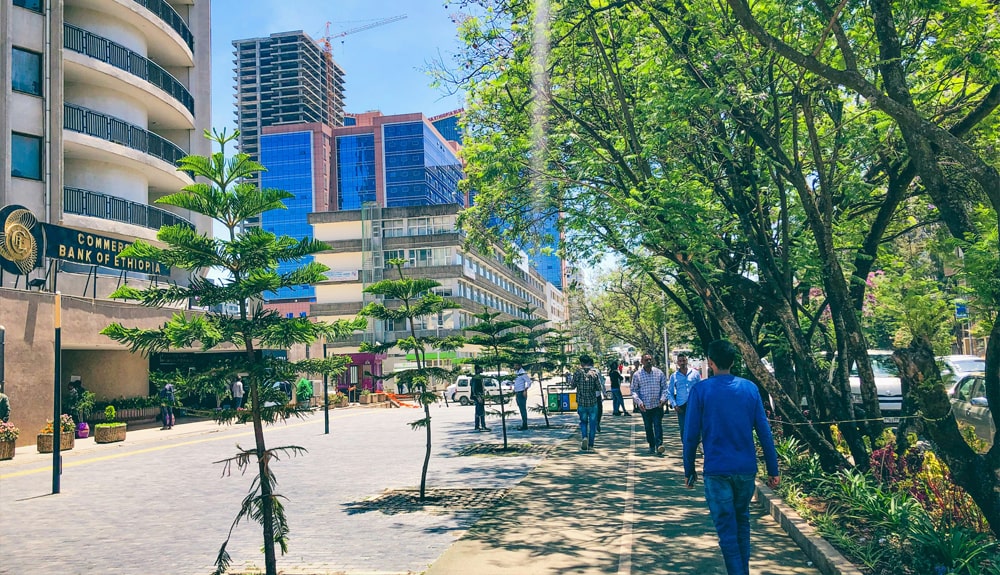
An increase in malaria cases in Ethiopia. How should this be interpreted?
A decision on whether to take malaria prophylaxis is often difficult. You may be travelling in a country with a risk of malaria but is the risk for your trip high enough to consider prophylaxis. Is it reasonable in your case to use mosquito avoidance measures and be aware of the signs and symptoms of possible malaria.
Time of year, length of stay, type of accommodation and type of travel must all be considered before prescribing malaria prophylaxis. Some travellers, despite knowing the risk to be low, might still prefer to take prophylaxis. In this situation, it’s more about the cost of medication and whether potential side effects are acceptable.
The recent outbreak of malaria in Ethiopia is a good example of why prescribing cannot be based on a cookbook. According to WHO, more than 177,000 cases and 38 deaths have been reported in Ethiopia in a single week ending 8 June 2024. There have been over 2.3 million cases year to date. Fourteen regions have been affected with the Oromia region having the highest numbers. Next highest are Amhara and the SWEPRS region.
Ethiopia is very diverse from a geographical aspect. It has high rugged mountains as well as deep gorges and wet lowlands. Almost two thirds of the country lie at altitudes between 1700 and 3000 metres.
The risk of malaria is mostly below 2500m. The three regions mentioned above all have extensive areas in the lowlands.
Ethiopia has 2 wet seasons. The primary rainy season usually starts in June and ends in September. There is a secondary one in March and April. Outbreaks of malaria are expected after the respective peaks.
The current outbreak is following the normal pattern. Unfortunately, the number this year is double the number of cases for the same period in 2023. It remains to be seen whether this increased activity will be repeated later in the year.
Addis Ababa lies at 2355m and according to CDC there is little if any risk of malaria exposure. Gondor and the Simeon mountains are also high and tourist activities are more focused on ancient architecture and amazing views. These activities are mostly during the day with good accommodation at night.
This contrasts greatly with Awash National Park. It is just 3 hours’ drive from Addis Ababa and most of it has an elevation of about 900 metres. It is more typical of national parks visited in other parts of Eastern Africa. It is home to a diverse range of animals including zebras, gazelle, monkeys and the occasional cheetah and lion. It is also famous for its bird life. Many activities would take place early in the morning and late afternoon and accommodation might be very basic. Depending on the season, mosquito exposure is much greater in these lowland areas than those visiting ancient ruins at higher altitudes.
Bale national park is another spectacular wildlife reserve. While activities might be similar to Awasha, it is located at a much higher altitude of over 2,800 metres.
It is very important to consider the trip itinerary, accommodation and season of travel when discussing malaria prophylaxis in Ethiopia.