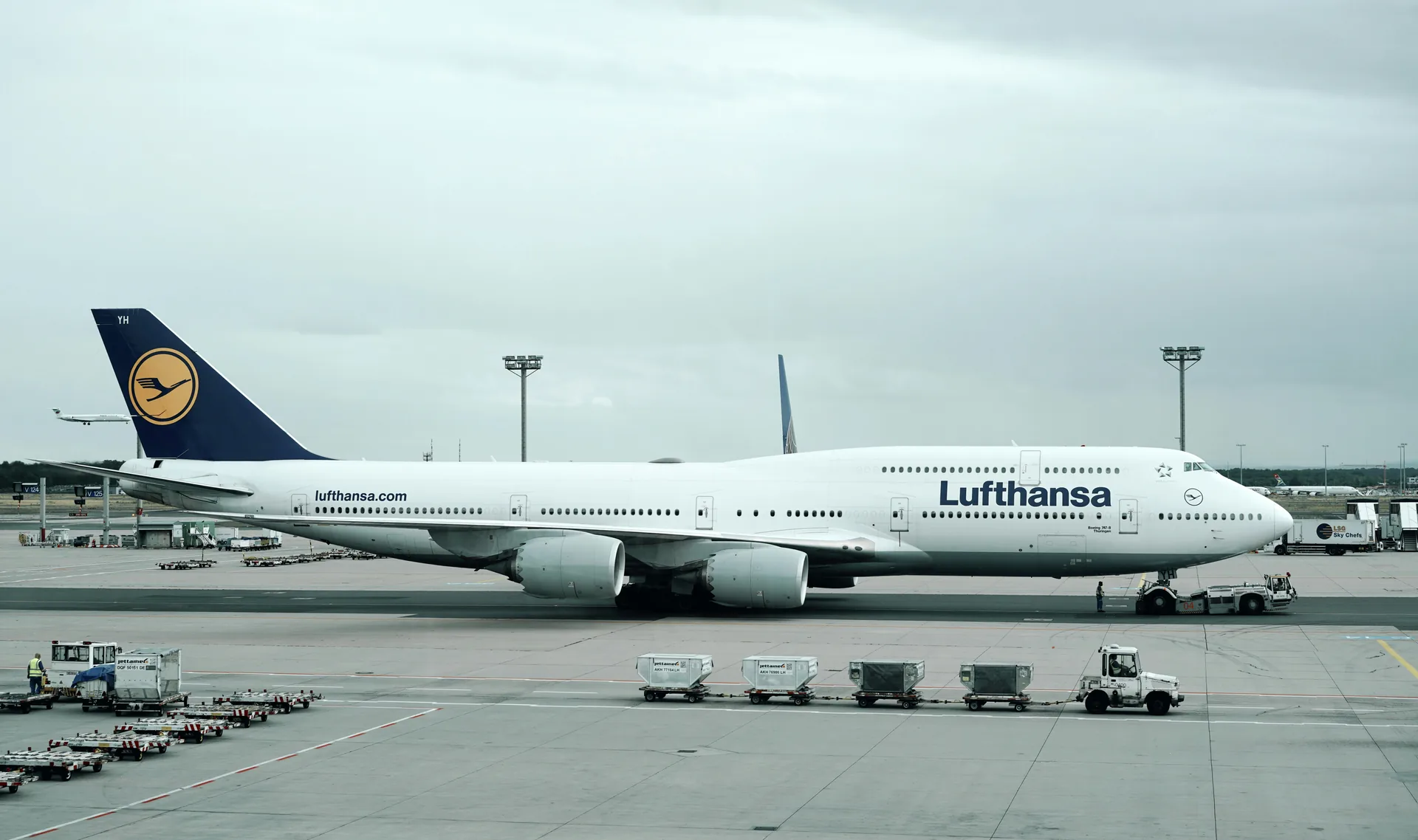
Malaria diagnosed in baggage handlers at Frankfurt Airport
Several news outlets including the BBC have reported on an outbreak of malaria amongst baggage handlers at Frankfurt International Airport in Germany. Six people have been diagnosed with the disease and at least one person has died.
How is this possible? Europe is currently considered to be non-endemic for the disease.
According to the World Health Organisation (WHO), the European region has been free of malaria transmission since 2015.
A stowaway mosquito is the most likely explanation
It is likely an infected mosquito hitch-hiked on a plane from an endemic region (probably Africa) and survived the trip and local environmental conditions to infect baggage handlers on arrival.
This is considered a rare event. It was last reported in 2023. Early recognition of this potentially fatal disease is important as a delay in the diagnosis can be fatal. Treatment is easily accessible and a full recovery would be expected in most cases.
Why airport malaria is easily missed
History of travel in someone with a fever always prompts a follow up question: Where have you been? Targeted investigations might quickly identify a mosquito borne disease like malaria or dengue fever.
In the case of baggage handlers and people living in proximity to an airport, exotic disease might not be considered.
In one review of both airport/luggage malaria and malaria contracted from local mosquitoes (autochthonous malaria) in Europe, misdiagnoses included tonsillitis, pneumonia, haematological disease and acute nephritis. A case fatality rate of 13.24% was estimated for the airport/seaport malaria cases in this review. This is much higher than for imported malaria which is contracted overseas. Australia records between 300 and 500 cases of malaria annually with a fatality rate less than 1%. This is similar to Europe.
Imported malaria accounts for more than 99% of malaria notifications in Europe.
What a 2024 review of European cases found
A review of European cases of airport/luggage malaria was undertaken in 2024. The Robert Koch Institute (Berlin) took part in the review. The review considered cases as far back as 1969.
One hundred and forty-five cases were identified from nine countries. Most cases were reported from France (52), Belgium (19) and Germany (9) with more than 50% of cases living or working within 4.3 km of the airport. Over 80% of cases of airport malaria occurred between June and September. This is important as it coincides with higher mosquito populations during the wet season in some African countries and more favourable summer temperatures (for the mosquito) on disembarkation in Europe.
The review also found one third of all cases since 2000 were reported in the years between 2018 and 2022. This is an interesting finding given the travel disruption caused by the COVID-19 pandemic. It might suggest a rising trend in cases and perhaps prompt a review of protocols regarding sanitation measures with aircraft. Perhaps COVID-19 caused a few other unrecognised issues like service delivery.
How do we minimise the travel of mosquitoes from one country to another?
Older Australian travellers will have "fond" memories of staff walking up and down the aisles of aircraft with spray cans aimed at overhead lockers. While it was often a source of amusement for passengers, it did provoke some negative comments on potential respiratory tract irritation and a delay to disembarkation. It appeared we were the exception in international travel as it was rarely observed overseas.

A cabin crew member sprays insecticide in an occupied aircraft cabin, 1971. Image: CDC Public Health Image Library.
Social media would have a lot to say if we were still walking up and down the aisle with spray cans in 2026!
The spraying of aircraft cabins ceased over 20 years ago. Airlines are now responsible for their own disinfection prior to the last leg of the flight into Australia. They must provide evidence of this prior to arrival in Australia. Knock down sprays are used to kill mosquitoes in open overhead lockers and cargo holds prior to boarding.
The UK Health Protection Agency provides a comprehensive document on the disinfection procedures expected of inbound flights.
A similar document is available for aircraft disinfection for Australia and New Zealand.
Airport/seaport malaria and luggage malaria remain at very low levels globally despite an increasing volume of traffic from malaria endemic countries. This is testimony to the prevention measures in place.
Travelling to a malaria risk area? Speak with one of our travel medicine doctors before you go. A virtual consultation covers your itinerary, malaria prevention and the precautions that matter for you.