Healthy Travel Logo
Healthy Travel Logo

Colombia records its first yellow fever death of 2026

January 18, 2026

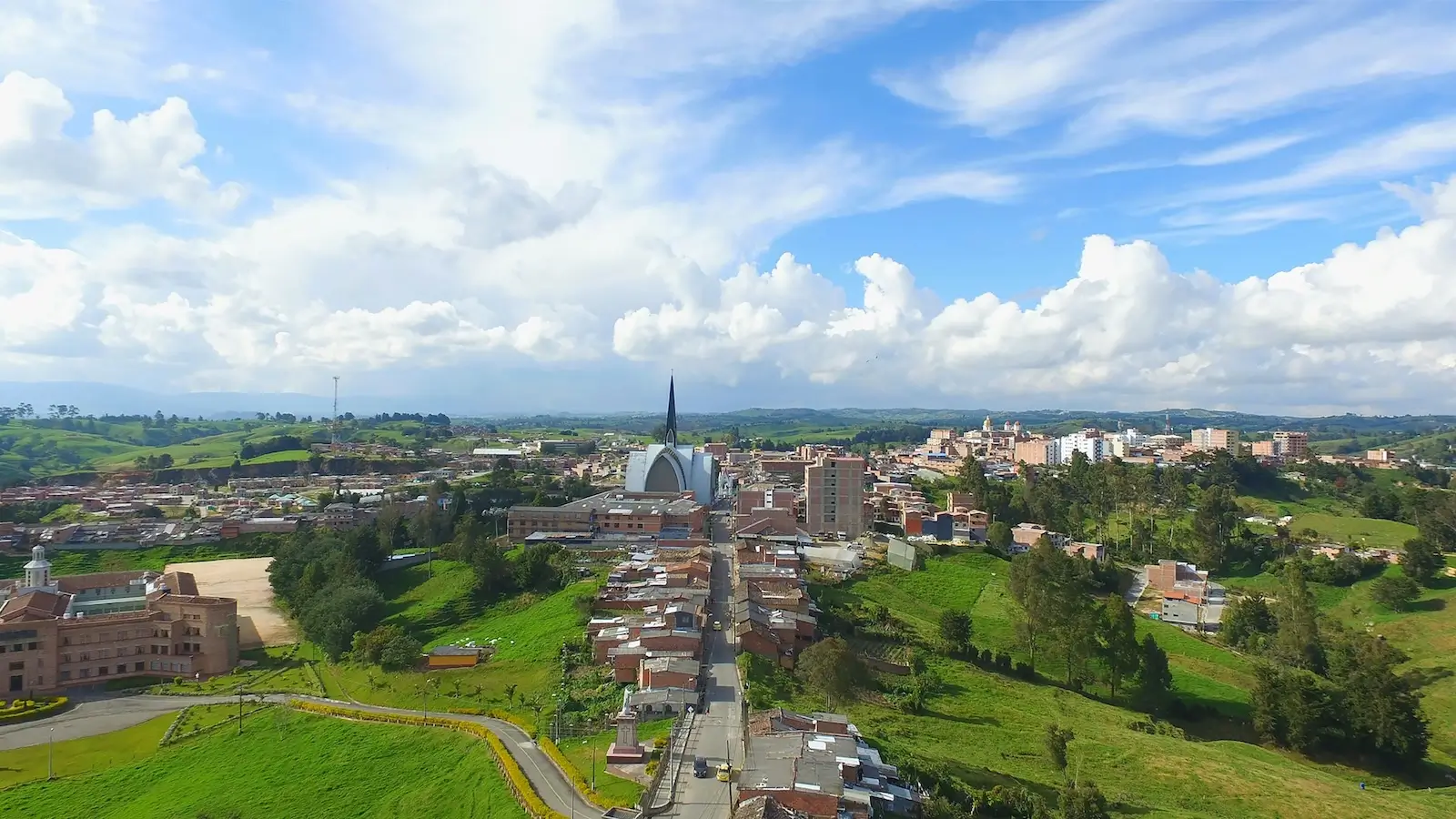
Photo by: MARCO VILLA

Yellow Fever outbreak in Colombia

Colombia has been a hotspot of yellow fever cases in 2025. An official government report (Jan 11, 2026) records the death of a 17-year-old boy in the city of Ibague. However, it also states he was referred from the Tolima municipality. Tolima has been the epicentre of a large outbreak in 2025 with forty-seven deaths recorded over the past year. Tolima is also a forested region which is favourable to the transmission of the virus from non-human primates to people.

Yellow fever vaccination rates have also been low.

The first cases in the current outbreak started in October 2024.

What is Yellow Fever and how is it transmitted?

Yellow fever is a serious viral disease. The virus belongs to the Flavivirus genus (the same group containing Japanese encephalitis, dengue fever, Murray valley encephalitis, and others). The disease is transmitted to humans via a mosquito bite.

Yellow Fever is found in tropical and subtropical areas of Africa and South America. The name, “yellow”, comes from jaundice due to the hepatitis observed in severe disease.

Most cases of yellow fever are self-limited but the mortality rate in severe disease can be as high as 50%. There is no specific antiviral therapy. Treatment can only be supportive.

Transmission from person to person is possible during the viraemic phase of the disease. This is the main reason for it being subject to international health regulations. It is possible for an infected person to initiate an outbreak after international travel, but this is only possible if the receptive mosquito is present in the area.

For international travellers, the yellow fever vaccination may be required by law in some circumstances. It is important to have a travel medicine consultation if considering travel to/from endemic areas.

Yellow fever risk to travellers.

There are several factors which determine risk of exposure. These include:
  •  immunisation status of the traveller
  •  local immunisation levels
  •  local viral transmission (as is happening in certain locations of Soth America)
  •  season of travel
  •  duration of travel
  •  activities while travelling
  • occupational activitie

The absence of case reports in a particular region does not equate to “no risk”.

Seasonal and geographic patterns of yellow fever transmission

Transmission is considered year-round in areas of risk in Africa. Peaks occur between the end of the wet season and the beginning of the dry (July to October). In Central and South America, the highest risk is during the wet season (January to May) with a peak during February and March. It is more related to jungle areas in South America.
The Centers for Disease Control and Prevention (CDC) provides updated Yellow Fever maps and areas of risk.

Yellow fever vaccination - effectiveness and long term protection

Although yellow fever vaccination is the mainstay for protection, mosquito avoidance measures are still very important. It is important to remember, the mosquito that transmits yellow fever, is also responsible for other diseases like dengue, chikungunya and zika.
The yellow fever vaccination (Stamaril in Australia) is a live attenuated vaccine which provides highly effective and durable immunity for life with a single dose. The vaccine provides immunity within 10 days of vaccination for 80 – 100% of people vaccinated, and 99% of people within 30 days. The lifetime recommendation came into effect in July 2016. This was for new and existing certificates. It was previously considered a 10-year vaccine.
WHO’s global strategy to eliminate yellow fever epidemics (EYE strategy 2007-2016) has an excellent overview of how the yellow fever virus is transmitted and the differences between risk in Africa and South America. It is very relevant to travellers.

Related Posts

  • Dr Bob Kass
  • April 29, 2025

Yellow Fever 2025 - Updated situation in South America - Pan American Health Report

One hundred and thirty-one cases have been notified in 4 countries (Bolivia, Brazil, Colombia and Peru)...

Read more
  • Dr Bob Kass
  • February 22, 2025

Avoid Travel Disruptions – Ensure you have the correct yellow fever documentation

International health regulations are enforced for yellow fever. You've had a pleasant few days in Buenos Aires and are just about to board the plane

Read more
  • Dr Bob Kass
  • January 27, 2025

New Yellow Fever regulations for travel to Costa Rica

In October 2024, the Ministry of Health in Costa Rica updated the geographic areas considered at risk of yellow fever...

Read more
  • Dr Bob Kass
  • November 28, 2024

Yellow Fever cases reported in Colombia's Tolima region

The Department of Health in Colombia has reported 12 cases of yellow fever in the department of Tolima. Tolima is in the Andean region of...

Read more
  • Dr Bob Kass
  • September 30, 2024

Yellow Fever Surveillance Update in the Americas Region - August 2024

A yellow fever surveillance update has been provided by the Pan American...

Read more
  • Dr Bob Kass
  • May 27, 2024

Is Yellow Fever in Bolivia a concern for travellers?

Bolivian health officials have recently reported 2 yellow fever deaths in the northern region of the La Paz Department...

Read more

Our Services

Related Posts

Last Updated: 26 January 2026

Book an Online Travel Health Consult

Some health problems can be avoided through vaccinations prior to travel, whereas others can be prevented by adopting avoidance measures gained through education and destination-specific advice. Speak with a leading Australian travel doctor via telehealth to prepare for your trip overseas.
Book an Appointment

Why Choose Us?

Convenient Telehealth Appointments
Expert Travel Health Advice
Australian Travel Doctors
Medical Kits Delivered
Transparent Fees
Secure Environment
location linkedin facebook pinterest youtube rss twitter instagram facebook-blank rss-blank linkedin-blank pinterest youtube twitter instagram