Scrub typhus in Nepal: the current situation
According to news reports more than 10,000 cases of scrub typhus have been reported in Nepal this year (2026). There has been a surge in cases between July and October. Almost a third of these were reported in September. Most districts are affected. The highest number of notifications have come from Lumbini province and the highest incidence rate in Gandaki province (78.5 per 100,000).
The Department of Epidemiology and Disease has declared this is the “peak scrub typhus season”.
Being aware of the nature of the disease is the key to managing the illness and reducing fatalities. Rapid diagnostic tests are available.
Scrub typhus, if recognised, can be treated with easily accessible, reasonably cheap antibiotics. Most of the cases are agricultural workers with high exposure in rural areas.
Seroprevalence studies have identified high rates in the provinces of Bagmati and Lumbini.
When is the risk highest?
Outbreaks are most likely between July and November, corresponding to the monsoon season. Agricultural workers are likely to be in the fields during this season.
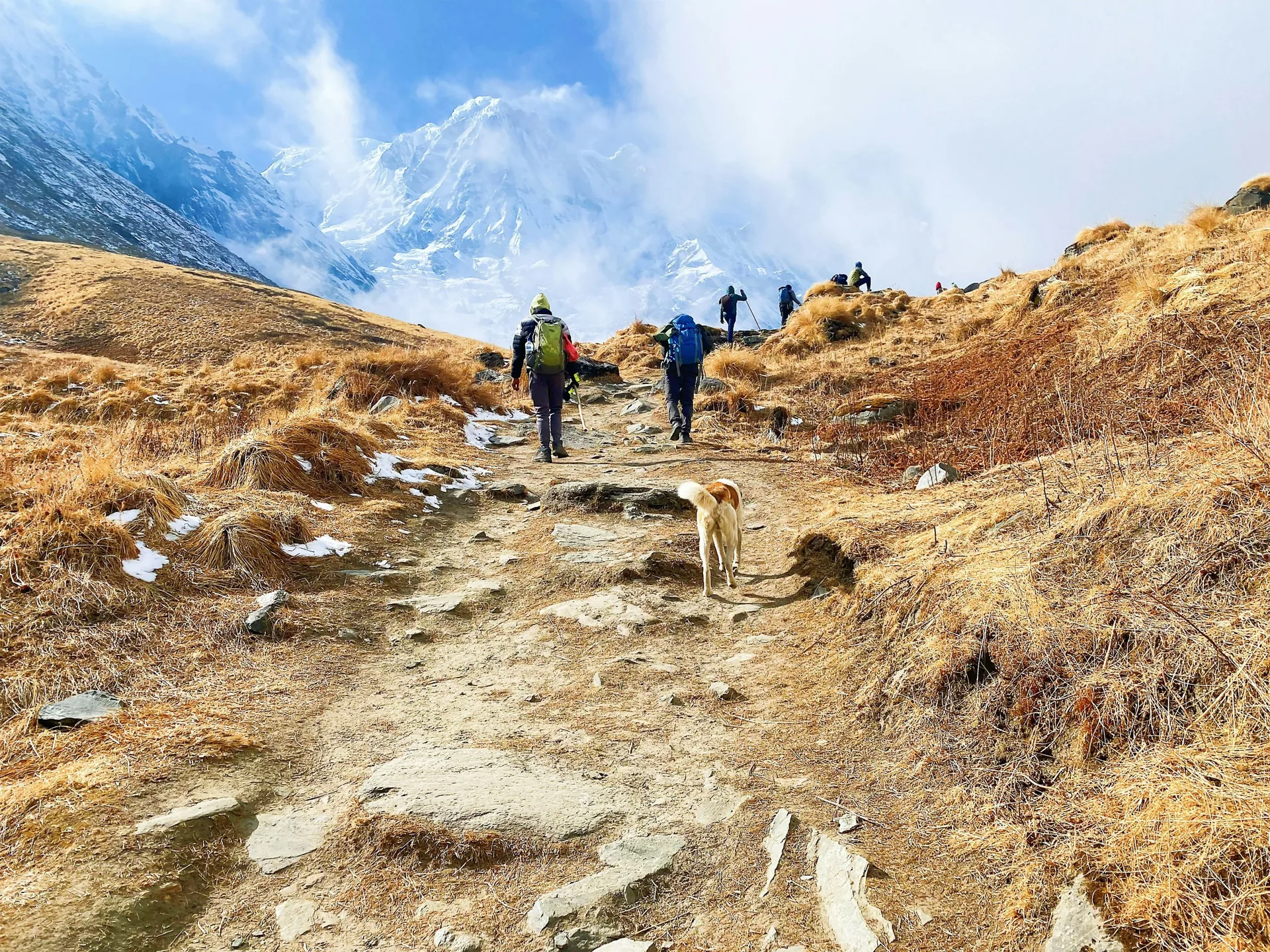
Trekking in Nepal this season?
Speak with one of our travel medicine doctors before you go. A virtual consultation covers your itinerary, the vaccinations you need and the insect precautions that matter for rural travel and trekking.
What travellers should know about scrub typhus
Scrub typhus is a vector-borne disease. It is a bacterial disease transmitted to humans by an infected chigger mite during the larval stage. Rodents are the natural host.
Scrub typhus is not transmitted from person to person.
There is no vaccination for the prevention of scrub typhus.
The disease is often confused with other endemic infections causing fever, headaches and rashes. This can lead to a delay in diagnosis and occasional fatalities.
The risk of scrub typhus is low for travellers. Despite this, public health authorities and travel health professionals are encouraged to provide warnings to travellers and expatriate workers at risk. If forewarned, then the visitor can reduce his/ her exposure to mites/ chiggers.
How can scrub typhus be prevented?
- Take particular care in the season of risk
- Wear appropriate clothing to reduce the likelihood of any attachment to the skin. This would include long-sleeved shirts and trousers. Socks should be pulled up over the bottoms of the trousers.
- Use known effective repellents on the skin. These include DEET or Picaridin containing products.
- Stay as much as you can to paths and avoid encountering low level vegetation in forested areas.
- Shower in hot water as soon as possible after any possible exposure.
For the full list of prevention measures and more on where scrub typhus occurs, see our scrub typhus disease page.