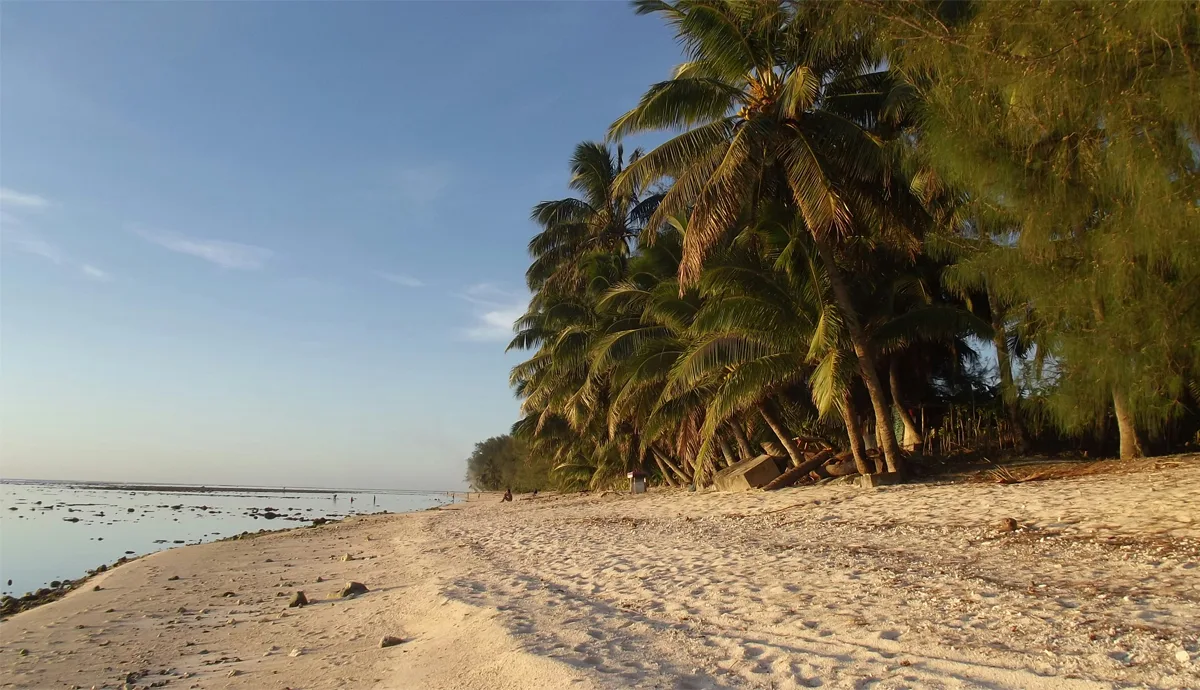
Outbreak declared in the Cook Islands
The Ministry of Health in the Cook Islands has officially declared an outbreak of dengue fever on Rarotonga, the largest island in the group. This has prompted a community wide response to reduce mosquito breeding sites. Surveillance for new cases has also been increased.
The Cook Islands is not alone in dealing with a dengue fever outbreak.
Widespread dengue reports across the Pacific
The Cook Islands is not alone in facing an outbreak. Dengue fever is also being reported in several other Pacific nations:
-
-
French Polynesia - Over 2,000 cases since November 2024
-
Kiribati - More than 150 confirmed or suspected cases
-
Samoa - Over 110 cases since April 2025
-
-
UPDATE August 2025 - Samoa now faces a severe dengue outbreak with 5,500 cases clinically diagnosed between January and August this year
What is Dengue Fever?
Dengue fever is a vector-borne disease. The virus is transmitted to humans by a mosquito bite.
Humans are the only known reservoir of infection.
If you're travelling to the Pacific, or high-risk locations, learn more about dengue fever.
Traveller precautions and risks
Travellers should be reminded of the risk of dengue fever and other mosquito-borne diseases when travelling to areas of risk. This may even include northern Australia.
Holidaymakers on cruise ships should take particular care when undertaking day trips to affected areas. The dengue fever mosquito (primarily Aedes aegypti) is most active early in the morning and just before sunset. These are the times when people are leaving and returning to ships in port areas. Litter can often be seen in dock areas and rubbish provides excellent breeding sites.
Prevention is your best protection against dengue fever
Personal mosquito avoidance measures should be observed in high-risk locations.
To reduce the risk of infection, travellers should:
-
Use insect repellent containing DEET or picaridin
-
Wear long sleeves and pants during peak mosquito activity times
-
Stay in accommodations with screened windows or air conditioning
-
Eliminate standing water wherever possible
Dengue and Chikungunya in Australia
Australia has recorded more than 2,500 dengue fever cases in the past 12 months (to April 27, 2025), largely among travellers returning from Indonesia and other parts of Asia and the Pacific.
Additionally, 91 cases of Chikungunya - another mosquito-borne disease, have also been reported during this period.