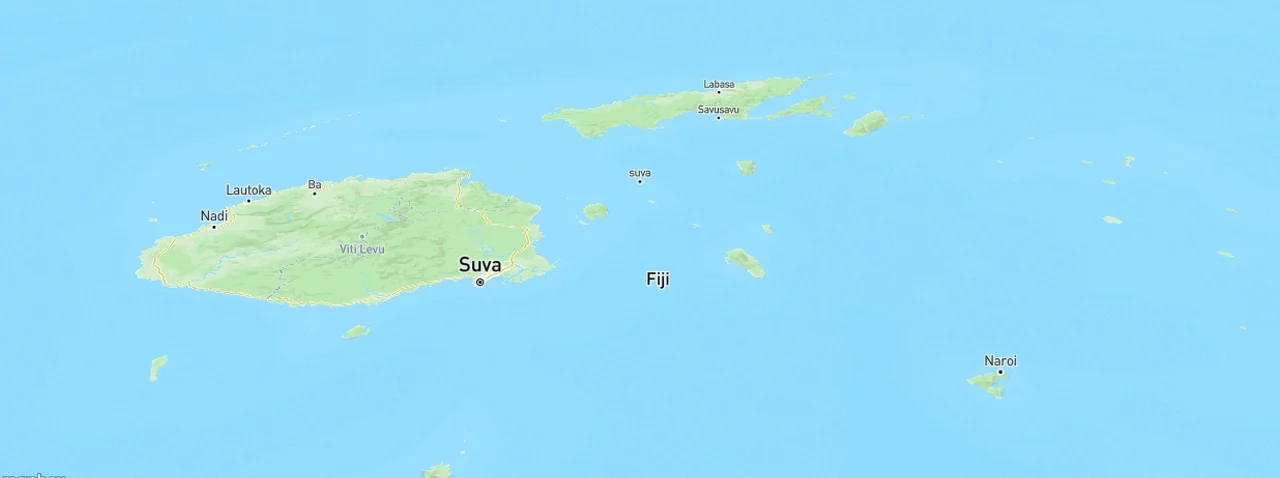
Fiji is the most popular destination for Australians travelling to the Pacific, excluding New Zealand, it is also a stop for many cruise liners. There is a range of accommodation, but it tends towards resort style which is a favourite for family stays. Fiji is residence to may long-term expatriate workers.
Health considerations for travel to Fiji depend on factors such as the purpose of visit (holiday, work, volunteering or visiting friends and relatives), type of accommodation (luxury resort, island bungalow, homestay or cruise ship), and duration of stay. Rural areas and smaller islands may have limited medical facilities.
Fiji is low risk for exotic disease, but there are still a number of health concerns that could affect your stay. It's important to be up to date with all your routine vaccinations and to seek advice on whether any additional travel vaccines are recommended for Fiji. Speak with a healthcare provider 6 to 8 weeks before you leave. Your individual health status and any pre-existing conditions may also influence your travel plans, especially if you're visiting outer islands or taking part in adventure activities.
Completed childhood immunisations, Tetanus/ Diphtheria/ Pertussis vaccine booster if > 10 years, Influenza > 65 years, Influenza > 6 months and < 5 years, Pneumonia vaccine > 65 years, Shingles > 65 years, RSV vaccine > 75 years.
To consider if immune-suppressed (check with health provider).
Hepatitis A, Influenza, COVID-19.
Hepatitis B (if unvaccinated), Typhoid.
Rabies.
Measles booster if born between 1966 and 1980.
Yellow Fever - Refer to CDC.
Consider taking a basic medical kit, along with any extras suited to your planned activities in Fiji, such as supplies for water activities, hiking or travel to more remote islands. Always carry a letter outlining your medications and keep it somewhere easily accessible. Never travel without comprehensive travel insurance.
Travellers are much more likely to die or be injured than to be sick with an exotic disease. Travellers in the age group 15-44 are...
Learn MoreAllergy can present in different ways. Red, itchy lumps can occur anywhere on the body. Inhaled allergens eg pollens can cause an itchy runny nose and...
Learn MoreBedbugs are intensely irritating blood sucking insects that are found worldwide. They hide in cracks and crevices in the wall and come out to feed at night ...
Learn MoreWhile it is estimated that there is only about 1 fatality for every 200,000 dives, about half of these occur in divers with fewer than 20 dives...
Learn MoreApparently, a naked adult human feels most thermally comfortable in an air temperature of 30 deg C. We have complex mechanisms to thermo-regulate, so that ...
Learn MoreMosquito-borne and insect-borne diseases pose a significant threat to travellers, especially those who are considering a long-term stay in a...
Learn MoreFor most people, overseas travel is “occasional” rather than “usual”. For some it is a very new experience. Security issues should not be forgotten...
Learn MoreA skin infection is a condition in which germs enter through the skin, The infection can cause pain, swelling and skin discolouration. If neglected there can...
Learn MoreAt high-risk times it can take just 10 minutes to experience a significant sunburn. There are many ways to reduce the risks of sunburn and skin cancer...
Learn MoreThere is nothing wrong with travelling on the cheap. It is almost a rite of passage for young travellers. It often means very basic accommodation, street...
Learn MoreDiarrhoea is the commonest health issue experienced by travellers to lower income countries. Applies more for travellers who have grown up in a high-income...
Learn MoreSwimmer’s ear is a common health problem in hot, humid climates. It is an inflammation of the lining of the outer ear canal. In 98% cases it is caused by...
Learn MoreMosquito-borne disease is common in Fiji. It is more likely to be an issue during the wet season (November to April). Dengue fever causes the greatest concern. It is transmitted by the Aedes mosquito which is widely found in the Pacific. This mosquito is an active feeder during the day with peak biting times early morning and late afternoon. It is also responsible for Chikungunya and Zika. Fiji experienced two outbreaks of Chikungunya in 2015. It followed an explosive outbreak in French Polynesia in 2014 where over 65,000 cases were notified. Seroprevalence for immunity to Chikungunya was investigated in Fiji in 2017 and found to be very low compared to the levels found in Tahiti. This might be explained by cross protection from recent exposure to the Ross River Fever virus which is also endemic to Fiji. It remains to be seen whether this is long lasting.
There have been 98 reported mosquito-borne viral outbreaks in Pacific Island countries and territories between 2012 and 2023. Seventy two percent have been due to dengue, 15 per cent Chikungunya and 12 per cent Zika.
Filariasis is a parasitic disease transmitted by the Culex mosquito. Prevalence has been greatly reduced, but not eliminated, in Fiji by mass drug administration in cycles.
Climate change may have a major impact on the prevalence of mosquito-borne disease in the Pacific. Warmer water temperatures may increase the population of mosquitos during the transmission period.
There is no malaria in Fiji. Malaria requires the Anopheles mosquito to transmit the disease. There are none in Fiji.