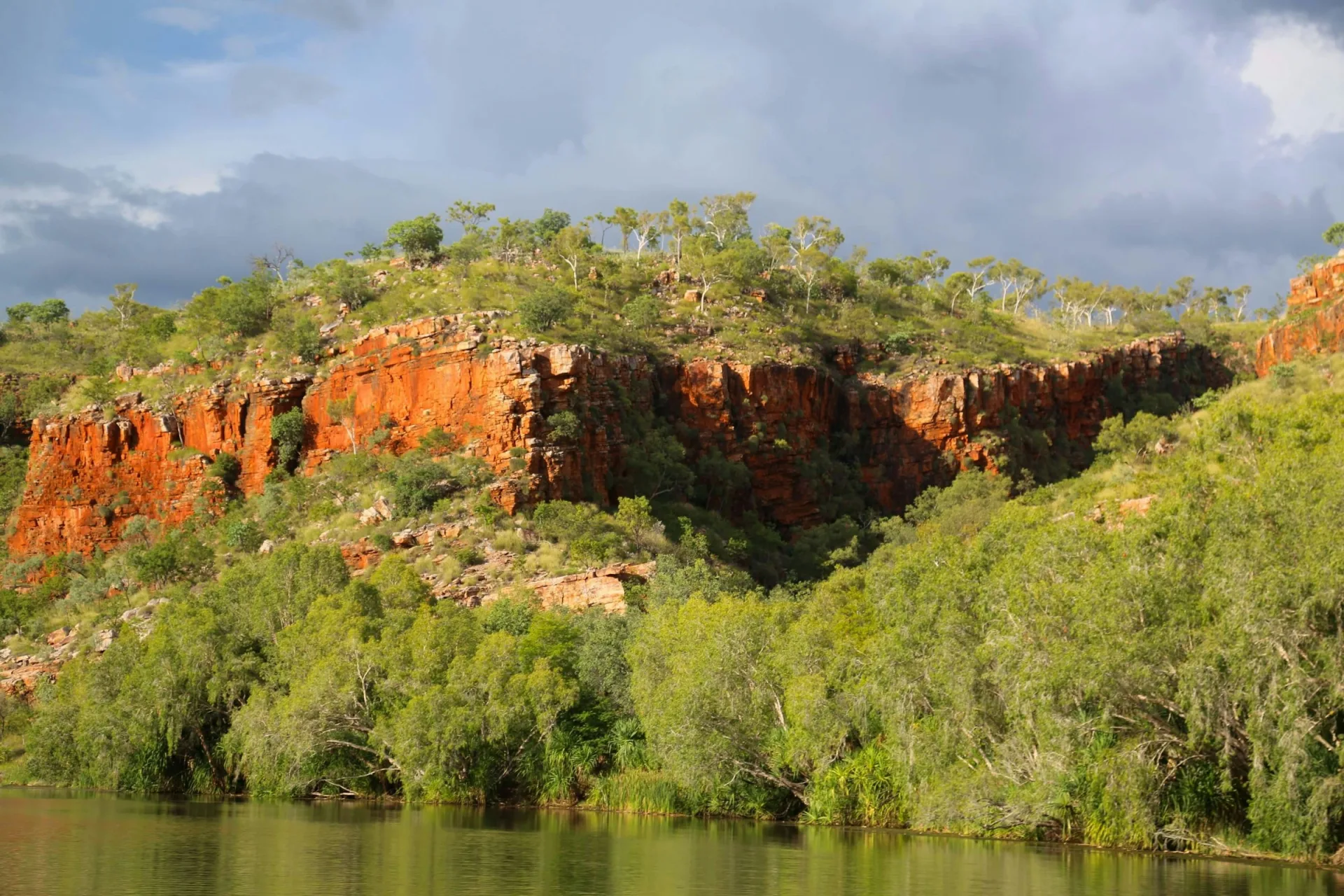
A record wet season behind the warnings
According to WA Health (June 10, 2026), a person has died from Murray Valley Encephalitis virus disease (MVEV) in the West Kimberley region of WA. This death highlights the risk of mosquito-borne disease in northern Australia.
The report is a timely reminder as the region enters its peak tourist season from June to August.
It is not the first warning issued by WA Health.
On March 12th Kimberley residents and travellers were advised to take extra precautions against mosquito-borne viruses after a massive downpour during February in Broome (300 mm over 4 days). The department also mentioned their mosquito surveillance program had detected Ross River virus (RRV) and Barmah Forest virus disease in mosquitoes in the region.
It also mentioned the possibility of the more serious Murray Valley Encephalitis in the region.
According to the Australian Bureau of Meteorology (BOM), the 2025/26 wet season has delivered 44% more rainfall than would normally fall across northern Australia (14 May 2026). The total rainfall for Broome was 941 mm against a long-term average of 577 mm.
The Bureau noted it was the 7th highest wet season total for the period since the 1900/01 season.
Saturated areas take longer to dry out, creating wonderful mosquito breeding sites. They also become havens for the birds and animals that carry viruses. We cannot assume that mosquito activity will be reduced at the usual times.
Travellers need to be aware of this increased risk of serious disease and take extra care in minimising exposure to mosquitoes.
What is Murray Valley Encephalitis virus disease
Murray Valley Encephalitis (MVE) is a serious viral disease transmitted by mosquitoes. The virus is found in Australia and Papua New Guinea and transmitted to humans by Culex mosquitoes (Culex annulirostris). Water birds (herons, cormorants) carry the virus, and mosquitoes transmit it from birds to humans. The mosquito is most active just after sunset.
Outbreaks of the disease are more likely from mid spring to late autumn in southeastern Australia but can be anytime in northern Australia. Natural events such as floods can alter normal patterns.
The name can be misleading as most cases are reported from northern Western Australia and the Northern Territory rather than from the Murray Valley River region. The virus was first identified in the early 1950s but was previously known for its deadly potential as “Australian X disease”.
It is a notifiable disease.
Outbreaks have been recorded in 1951 (45 cases), 1974 (58 cases), and 2011 (17 cases).
Our national notifiable disease surveillance system reports an average of 3 cases annually.
This figure may be deceptive as the disease has a wide spectrum with only 1 in a 1000 people developing symptoms. These symptoms can be very nonspecific and include:
- Fever
- Headache
- Nausea and vomiting
- General muscle aches
- Fatigue
Symptoms usually start between 7 and 12 days after exposure but can be delayed until 4 weeks.
A few will present with encephalitis:
- Severe headaches
- Neck stiffness and eye pain
- Extreme lethargy
- Seizures
Those with encephalitis may become confused and lapse into coma.
The case fatality rate can be up to 30% with a high percentage of survivors having long term neurological damage. Young children are more likely to have symptoms than adults.
Prevention of MVE
There is NO vaccine to prevent Murray Valley Encephalitis.
Mosquito bite prevention is the primary measure to reduce the risk of disease exposure. The less bites the better, bearing in mind that some people are more likely to be bitten more than others! Most people know whether they are mosquito magnets.
Bite Prevention
- Reduce exposure time by modifying activities, the Culex mosquito is most active late in the afternoon and early evening. Check screens on accommodation.
- Wear light-coloured clothing and cover arms and legs as much as possible.
- Permethrin impregnation of clothing and bedding may be useful if there is a high prevalence of mosquitoes in your accommodation.
- Avoid highly scented perfumes, deodorants or toiletries.
- Use mosquito repellents on exposed skin (see table).
- Use insecticide aerosols, mosquito coils or other agents in the immediate environment.
Repellents
The repellent of choice should contain DEET (N, N-diethyl-meta-toluamide). The higher the concentration of DEET, the longer the duration of protection. However, there is no added benefit beyond 50% DEET concentration. DEET is toxic when ingested and may cause skin irritation in some people. If you have not used a DEET product before, or you have sensitive skin, it is advisable to test on a small area of skin before applying it to larger areas of the body.
DEET has been used over a long period of time, and by many millions of people with few reported serious side effects. Despite this, a few precautions should be undertaken:
- Apply DEET lightly to exposed areas only. Consider potential loss with sweating and reapply if mosquitoes begin to land.
- Where possible, wash off on returning indoors.
- Do not apply to open cuts or sores.
- Do not use aerosol applications to the face directly. Apply to the hands and then rub on the face avoiding the eyes and mouth.
- Do not allow children <10 years to apply themselves. Weaker DEET formulations (10% DEET concentration) are available for children.
- If sunscreens are to be used with repellents, then the sunscreen should be applied first. Wait 20 minutes before applying repellent.
- Be aware that people tend to underuse repellents.
| CONCENTRATION OF DEET | APPROX. PROTECTION TIME |
|---|---|
| 30 % | 8 hours |
| 15% | 5 hours |
| 10 % (recommended for children) | 3 hours |
| 5 % | 2 hours |
Picaridin
Picaridin, also known as Icaridin (1-piperidinecarboxylic acid 2-(2-hydroxyethyl)-1-methylpropylester), is a new alternative to DEET, and is a non-toxic, non-penetrative solution that is environmentally friendly and suitable for anyone 2 years and above.
The recommended level of Picaridin is 20-25%. It lasts for around 4-6 hours before the need to reapply. A 20% concentration of Picaridin is thought to be as effective as 20-30% of DEET.
There is no evidence to support the use of vitamin B1, vitamin B12, garlic, bath oils and tea tree oil as effective mosquito repellents.
Permethrin (not recommended for skin application)
Permethrin, also known as Pyrethrum, is derived from the flowers of the Chrysanthemum, and is often used as a “knockdown” insecticide (not as a personal repellent).
It is designed to damage the central nervous system of the insect that comes into contact, resulting in the immediate death of the insect. The colourless, odourless solution is biodegradable and can be impregnated into fabrics (i.e. sheets, clothing, curtains, etc) and is effective against many insects, including mosquitoes, ticks, bedbugs, chiggers, scabies and flies.
An impregnated net should be re-treated every 6 months, and fabrics will remain effective for between 5-10 washes.
Heading to northern Australia this season?
Our travel medicine doctors can talk you through mosquito-borne disease risks and the right bite prevention for where you are going, by telehealth from anywhere in Australia.