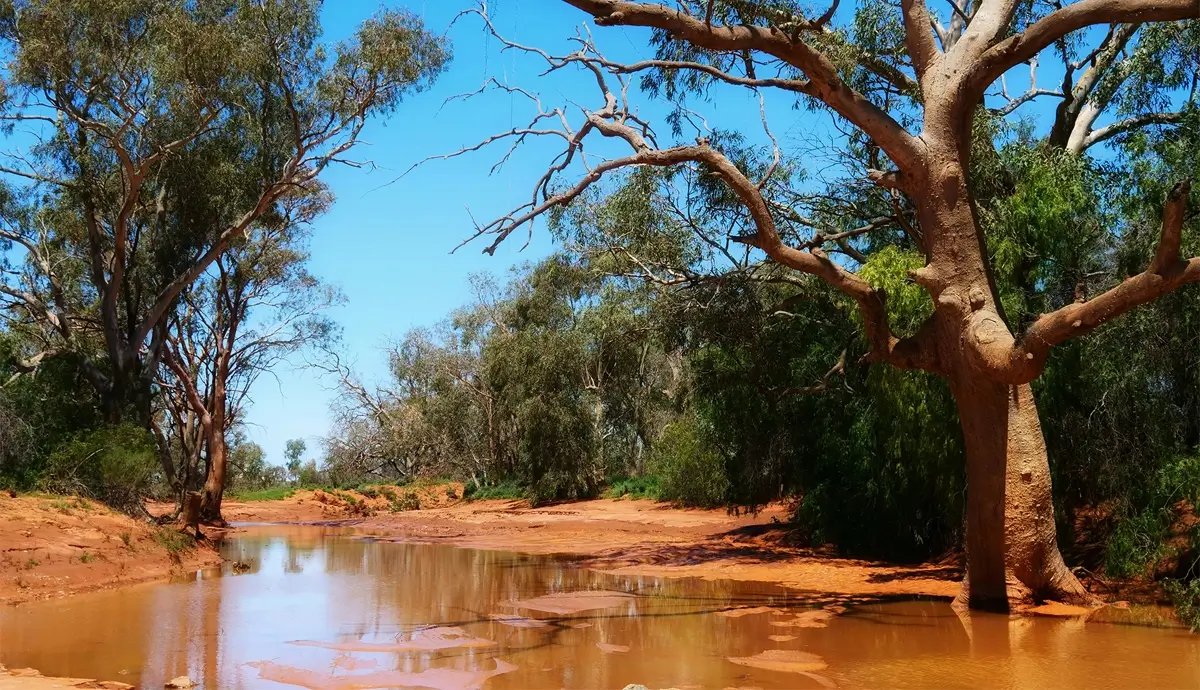
Heavy rainfall, flooding and mosquito-borne disease risks in Queensland
The channel country of western Queensland has experienced one of the wettest periods since the 1974 floods. More than 600mm (double the annual average) has fallen in outback areas over the past few weeks.
Places like Quilpie have become isolated and Thargomindah is underwater. This flooding is likely to persist for many weeks.
The risk of mosquito borne disease increases as the water recedes. These diseases include japanese encephalitis, ross river fever, barmah forest virus disease and dengue fever. Visitors to outback areas and north Queensland must be aware of this concern as much as locals.
Outback travel and trips to northern Australia are popular during the drier cooler months in Australia. While the risk of mosquito borne viral disease is much less during the cooler months, it isn’t zero and can be influenced by the amount of breeding sites available.
Japanese Encephalitis - Increasing presence in Australia
Local populations have cumulative risk (you just can’t consider a particular time) and should have a low threshold to consider vaccine protection against Japanese encephalitis if living in a risk area. While it was initially thought that Japanese encephalitis risk might only be a concern in La Nina years only, there is now more evidence to suggest it may become endemic.
Japanese encephalitis is now being mentioned as a health risk for travel to Australia in overseas databases - see CDC advice for Australia.
In the Australia 2024-2025 summer season (December to February), cases of Japanese encephalitis have been detected in Queensland, New South Wales, and Victoria. Japanese encephalitis virus was also detected in March in mosquitoes in Brisbane, Australia, where it has not previously been reported. All travelers to Australia should take steps to prevent mosquito bites. Travelers going to areas with Japanese encephalitis who are at increased risk of infection should discuss the need for vaccination with their healthcare provider.
Ross River Virus - Seasonal and environmental risk factors
More than 3,000 cases of Ross River virus disease are reported annually in Australia. Most occur during January to April. Increased activity has been reported after periods of high rainfall and coastal inundation of water (high tides and flooding events).
It has also been suggested that inland arid areas like Emerald in Queensland are more likely to have outbreaks with lower-than-average temperatures in the cooler autumn and winter months following high rainfall episodes. The mosquitoes appreciate the milder conditions and animal vertebrate hosts (wallabies and kangaroos) are in abundance.
Mosquito biting habits and prevention advice
Travellers should be reminded of the risk of mosquito borne disease and individual mosquito biting habits.
Mosquitoes transmitting Japanese encephalitis are most active at dusk and dawn and accommodation plays an important role in prevention with nighttime biters.
In northern Australian the proximity to wading birds as a host for Japanese encephalitis is equally important as pigs are in southern Australia. The Ross River mosquito is more likely to be active late afternoon and early evening.
Mosquito avoidance measures are very important at all times for all mosquito borne diseases.
There is no vaccine to prevent Ross River Virus disease.