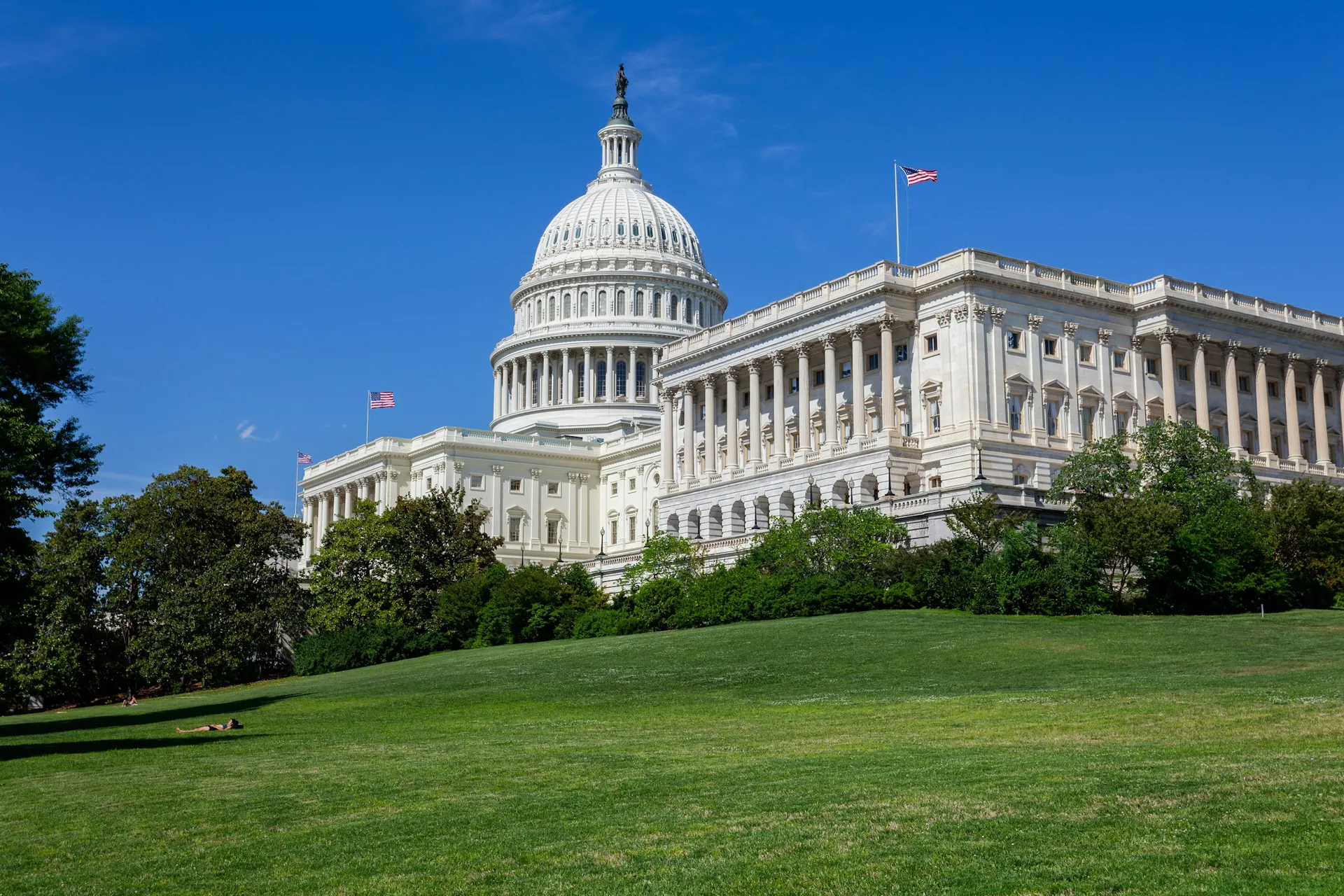
More than 2,300 confirmed measles cases in the United States this year. The United States CDC should be shown a red card, and the country lose its "measles-free status"!
According to the World Health Organisation (WHO), measles free status is defined as "the absence of continuous, endemic local transmission of the measles virus in a defined geographic area for 12 months or longer".
According to the United States CDC, there have been 2,318 cases of confirmed measles cases in 45 jurisdictions to July 23, 2026. In 2025, there were 2,289 confirmed cases for the full year and in 2024, just 284.
It would be expected that a high-income country with sophisticated public health surveillance and high levels of measles immunisation would be able to quickly control an outbreak caused by overseas importation.
Has the United States CDC, one of the most respected public health institutions globally, lost its way?
Canada lost its measles free status in November 2025, and the status of Mexico will be reviewed later this year. Six countries in WHO's European region have had their measles-free status revoked (January 2026). These include the United Kingdom, Spain, Armenia, Austria, Azerbaijan and Uzbekistan.
International health officials are due to meet in November 2026 to determine whether the United States and Mexico have retained their measles-free status.
More than 110 cases of measles have been notified to Australia's surveillance to July 25, 2026. This is more than the same time last year. It is very disappointing given the level of concern raised by the various State health authorities around Australia.
There were NO cases of measles reported for a similar period between January 1, 2021, and 18 July 2021 when our international borders were closed!
Measles is a highly infectious disease. Over 90% of non-immune individuals exposed to the disease will become symptomatic. The global risk of measles has increased over the last 2 years.
All travellers, particularly those born after 1966 should be assessed for their current measles immunisation status. Special attention should be given to the cohort of unvaccinated infants.
Travelling overseas? Not sure of your measles immunisation status? Our travel medicine doctors can review your vaccination history and advise whether a dose of MMR is recommended before you go.
History of Measles Vaccination in Australia
The live attenuated measles vaccine was first registered in Australia in 1968. It was recommended for children aged 12 to 23 months and given as a single dose vaccination with no booster dose advised. This was not unreasonable given that measles was circulating in the population, and the disease might have served as a booster dose. Any illness would have gone unnoticed at the time.
Measles - mumps was recommended for use in 1982 and later in 1989 was replaced by measles-mumps-rubella (MMR).
As more of the population became immune, transmission reduced and in 1992 a second dose of the MMR vaccine was recommended for all children. The rubella vaccination program for females was replaced by a school-based MMR program for all children aged between 10 and 14 years. All these individuals would have had birth dates in the late 1970s.
It is also important to be aware that prior to the start of measles immunisations, most women would have experienced a bout of the wild disease and hence have a higher antibody response. Children born to these women would have had higher antibody protection during the first year of life, perhaps lasting for up to 8 months. This is not the case for children born to women who have vaccine induced immunity. It is highly unlikely that this immunity affords much protection beyond 3-4 months. This has been investigated in recent years. See measles surveillance in Europe with vaccination recommendations.
This concern might not be an issue if measles transmission was controlled. Australia was declared free of measles in 2014, but a fall in vaccination rates has allowed it back into the country albeit in a limited amount so far. We still have good herd immunity, but this cannot be said for many overseas destinations. This is the reason why travel medicine providers for many years have been giving an early dose of the vaccine to children aged between 6 and 12 months travelling to high-risk destinations. Are we now at a point of saying any destination? I believe this is the case.
It is important that all overseas travellers be aware of the historical aspects of measles vaccination in Australia and why we have been targeting those who have birthdates between 1966 and 1980 and those who have never been vaccinated (children 6 - 12 months).
As public health providers we often fail to sell the message well.
Current Recommendations
- Infants 6-11 months of age should be considered for at least one dose of measles containing vaccine. Most mothers of today have vaccine immunity rather than natural immunity. This provides protection for a shorter period.
- Preschool children ≥12 months of age should have two doses of MMR vaccine separated by at least 28 days.
- School-age children should have two doses of MMR.
- Adults born in or after 1966 should have two doses of measles-containing vaccine.
- If administered at ≥12 months of age, one dose of measles-containing vaccine or MMR is 95% effective in preventing measles disease and two doses are 99% effective. One dose of measles-containing vaccine or MMR is approximately 85% effective if administered at 9 months of age.
The importance of measles vaccine has been discussed previously.