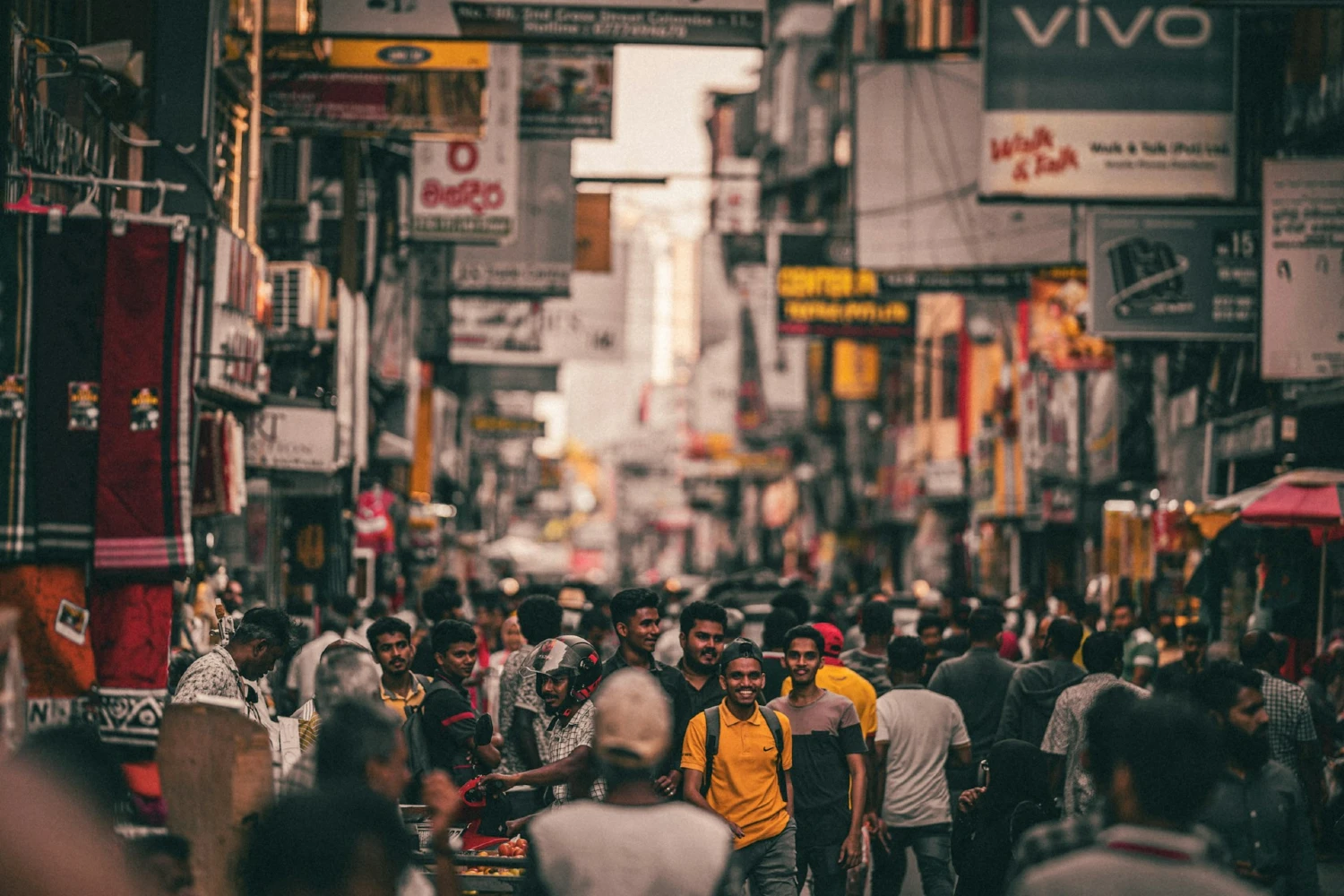
A Rise in Dengue Fever Cases in Sri Lanka (2026)
UPDATED - As of March 2nd, 2026, more than 13,000 cases of dengue fever have been reported to the National Dengue Control Unit this year. There have been four dengue related deaths. Weekly notifications exceed 1,500. The highest number of cases have been in the districts of Colombo and Gampaha.
According to the WHO South-East Asian Region Bulletin, almost 50% of notifications have come from Western Province. This is to be expected as it is the most densely populated province in Sri Lanka. Both the legislative capital (Sri Jayewardenepura Kotte) and the nation's major business centre, Colombo, are found in Western Province.
The province has undergone rapid urbanization over the past 20 years, and this can impact on public health infrastructure, resulting in stagnant water, increased rubbish and flooding.
A special mosquito control program is being implemented in 15 Sri Lankan districts
The National Dengue Control Unit (NDCU) has commenced an intensive mosquito control program to reduce breeding sites in high reporting zones across 15 districts.
The initiative promotes environmental cleanliness and public awareness. The armed forces, police and civil organisations are working together to clean public areas and educate communities on how to prevent mosquito bites and breeding.
The program will also target another mosquito borne disease, chikungunya. This disease was circulating in the community in early 2025. Almost 200 cases were reported with a predominance in females aged between 41 and 60 years. The Aedes aegypti mosquito is primarily responsible for the transmission of both diseases.
What is Dengue Fever?
Dengue fever is a vector-borne disease. The virus is transmitted to humans by a mosquito bite. Humans are the only known reservoir of infection - see detailed information on Dengue Fever.
Dengue fever is transmitted from person to person via a mosquito bite. Taking responsibility for your own protection is very important as the risk of exposure can be high during outbreaks. The Aedes mosquito is most active early in the morning and late afternoon.
More than 45,000 cases of dengue were notified in 2024. There were 24 deaths (case fatality rate 0.05%).
According to the ECDC, over 14 million dengue cases and over 10,000 dengue-related deaths were reported globally in 2024, with severe outbreaks in South America, Central America and the Caribbean.
Dengue fever also reported in the Maldives
Dengue fever is also being reported in the Maldives. Health authorities have confirmed more than 600 cases in January, much greater than the same time last year. The Maldives is located approximately 700 kilometres southwest of Sri Lanka, with a flight time of around 1.5 hours. Dengue fever is currently a regional issue, and travellers must consider mosquito avoidance measures at all times.
Why is dengue more common after the wet season?
Outbreaks of dengue are not uncommon in the months following peak wet season. The wettest months in Sri Lanka are generally from October to December but there is regional variation.
Residual water after a wet period provides good breeding sites (empty rubbish cans, pot plant saucers and ponds) for the mainly urban mosquito, aedes aegypti.
Public Health efforts to control dengue
Public health interventions are mostly aimed at communicating mosquito avoidance health messages to individuals at risk (including travellers) and reducing breeding sites at a local level.
Despite these efforts, controlling the spread of dengue remains difficult. The rapid growth of urban populations, unplanned city expansion, and the global shipping trade have contributed to the spread of Aedes mosquitoes. Countries that struggle to maintain effective mosquito control programs often experience recurrent outbreaks.
Dengue risk for Australian travellers
Travellers should be reminded of the risk of dengue fever and other mosquito-borne diseases when travelling to areas of risk. This may even include northern Australia.
More than 1,700 cases of dengue fever have been reported in Australia over the past 12 months (to March 1, 2026). Most of these cases are likely short-term travellers returning from Indonesia and other countries in Asia and the pacific.
One hundred and seventy-one cases of Chikungunya have also been reported.
Mosquito avoidance measures for dengue prevention
Mosquito avoidance is important in preventing dengue fever and other mosquito-borne diseases, especially in high risk areas. Simple measures such as wearing protective clothing, using insect repellent containing DEET or Picaridin and eliminating breeding sites can significantly reduce the risk of infection.
For more information, see mosquito avoidance measures.
Dengue Vaccine (Qdenga)
A dengue fever vaccine (Qdenga) is currently available in the European Union, UK, Indonesia, Brazil, Argentina, Indonesia, Colombia and Thailand. It is not available in the USA or Australia (March 2026). Regulatory approval was sought in Australia in early 2025.
It may be available under the special access scheme in Australia. An approval letter from the TGA (Therapeutics Goods Administration) is required before the vaccine may be assessed. We await their decision on registration and indication for use.
Qdenga is a live attenuated vaccine.
It is given in a 2-dose schedule with a 3-month interval. Protection is present from 14 days. The length of protection is yet to be defined but likely more than 4 years.
According to WHO's expert committee on vaccines:
- The vaccine might be considered in settings with a high dengue burden and high transmission to maximise the public health impact.
- It should be introduced to children aged 6 to 16 years.