A human case of laboratory confirmed Avian Influenza (H5N1) has been reported by USA health authorities to WHO in early April 2024. This is the second case recorded in the USA.
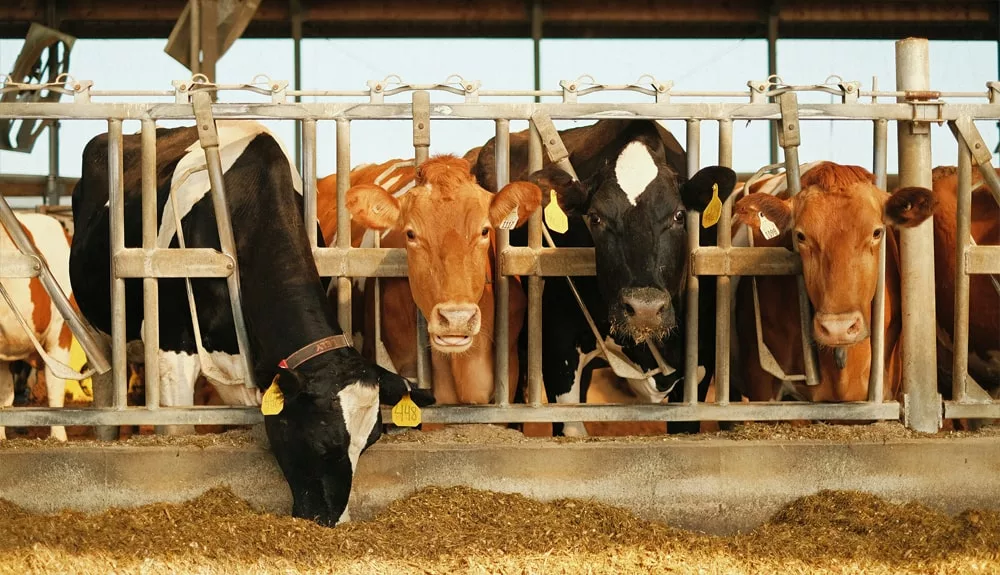
According to the report, the affected individual contracted the disease from dairy cows. This is the first report where the disease has been transmitted by a cow. His only symptom was conjunctivitis, and he did not require hospitalisation. He was treated with antiviral medication and no household contacts have subsequently been diagnosed with the disease.
Genetic testing on the H5N1 virus did not show any new mutations which would make it more easily transmissible from person to person.
This virus has been detected in the wild bird population in 50 states of the USA since 2022. WHO has been monitoring this disease for many years.
What is avian influenza (bird flu)? Is this case report important?
Avian influenza or “bird flu” is a very infectious disease of birds caused by type A strains of the influenza virus (H5N1 and H7N9). These viruses occur naturally in birds and have a global distribution. Wild birds carry the virus and are mostly resistant to disease.
Domesticated birds such as chickens, ducks and turkeys are very susceptible to infection and high mortality rates can be expected when exposed.
Human cases of avian influenza do occur. According to WHO, 889 cases and 463 deaths have occurred in 23 countries to April 2024. The most recent notifications have come from Vietnam and Chile. This is only the second case in the USA. It is important because this is the first time a dairy herd has played a role in transmission.
Monitoring changes in the activity of avian influenza is very important as it may be implicated in a future pandemic. The report to date shows surveillance is working. It is part of preparedness for a future pandemic. For more details see Avian Influenza.
Avian influenza risk to travellers to areas of concern (Asia).
The risk of Avian Influenza in travellers is very low.
Travellers should:
Avoid or reduce exposure to areas with live poultry, such as live animal markets and poultry farms. Large amounts of the virus are excreted in the droppings from infected birds. Ducks can excrete large amounts of H5N1 but appear quite well.
Seek medical attention as soon as possible if you develop severe respiratory symptoms. The use of antiviral medications within 48hrs of exposure can reduce the illness duration and severity.
What about food safety?
Influenza viruses are killed by adequate heat. The importance of good hygiene practices during handling of poultry products, including hand washing, prevention of cross-contamination and thorough cooking (70°C) cannot be over emphasized. Travellers are advised to pay close attention to the rules of eating and drinking.
Strictly observe the rules of eating and drinking safely. Wash your hands often using either soap and water, or alcohol-based hand sanitizers. This removes potentially infectious materials from your skin and helps prevent disease transmission.
Consume only well-cooked food. Influenza viruses are destroyed by heat; therefore, as a precaution, poultry food including eggs should be thoroughly cooked. This will also reduce your chance of contracting other serious bacterial illnesses such as salmonella and campylobacter.
Now that we know there is a possibility of transmission through dairy cows, avoiding raw milk and dairy products is sensible advice. Reports, like the one above are inevitable from Southeast Asia in the future.
The situation regarding Avian flu may change quickly: For further monitoring, see: CDC Avianflu, WHO Avian Influenza