“Bring back memories”, not measles, from your holidays.
This was a dramatic headline from NSW Health in August 2023. Two cases had been reported in travellers returning from Bali. A further case, returning from Africa, has since been reported in December.
According to Australia’s communicable surveillance, 26 cases have been notified in the past 12 months (January 2024). This doesn’t appear to be very much, but with a deteriorating international situation, health authorities must be concerned.
Australia was declared free of measles in 2014, 46 years after the measles vaccine was first introduced into Australia. This status can only be maintained through high vaccination rates (>95%) and consideration of risk in all outbound travellers.
It is highly likely we will see many more cases over the next 12 months. The majority of these will be in returning travellers and contacts of these travellers.
Measles is a very infectious disease. Over 90% of non-immune individuals exposed to the disease will become symptomatic. It is not a benign illness despite the fact it was viewed as a “growing up disease” prior to 1966. Children did die and many individuals had long term damage from measles encephalitis. SSPE is a particularly distressing degenerative brain disease of early measles infection.
Why are we seeing so many cases of measles globally?
It may be in part due to the COVID-19 pandemic. Over 60 million doses of the vaccine were missed or postponed between 2020 and 2022. Even before the pandemic there were warnings that international eradication programs were under threat, often through civil disturbances or war.
Samoa experienced a major outbreak in our region in 2020. More than 5700 cases and 84 deaths were reported.
A concurrent outbreak was also experienced in New Zealand. The Auckland region reported over 1,700 cases between January 2019 and January 2020. A higher-than-expected complication rate was reported with three cases of encephalitis and foetal losses in pregnant women. Flow on effects were also experienced in other Pacific countries including Tonga, Fiji and American Samoa.
In recent times, high case numbers have been reported in Yemen, India, Kazakhstan, Ethiopia, Russia, Pakistan, Kyrgyzstan, Democratic Republic of the Congo, Iraq and Azerbaijan.
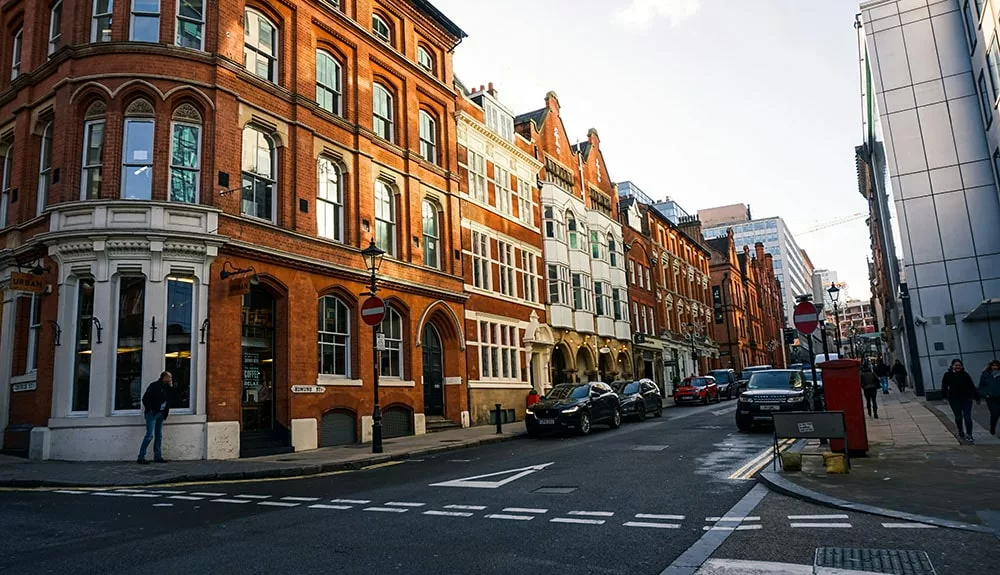
Of major concern is the current outbreak in Birmingham in England. As of mid-January 2024, more than 200 cases have been reported in the West Midlands since October 2023. The majority in children under 10 years. These are extraordinary figures in a country where “measles free status” was seemingly achieved in 2017.
Risk of measles to travellers
The risk of exposure to measles must be considered in any overseas travel currently. It will be a very long time before international airports and measles endemic countries can claim a “measles free status”.
Recommendation
All travellers born after 1966 should be assessed for their current measles immunisation status.
- Infants 6–11 months of age should be considered for at least one dose of measles-containing vaccine. Most mothers of today have vaccine immunity rather than natural immunity. This provides protection for a shorter period.
- Preschool children ≥12 months of age should have two doses of MMR vaccine separated by at least 28 days.
- School-age children should have two doses of MMR.
- Adults born in or after 1966 should have two doses of measles-containing vaccine.
- If administered at ≥12 months of age, one dose of measles-containing vaccine or MMR is 95% effective in preventing measles disease and two doses are 99% effective. One dose of measles-containing vaccine or MMR is approximately 85% effective if administered at 9 months of age.
Did you know?
- Measles was first described by a Persian physician around 910. It is likely to have been known and described in India prior to this date.
- Measles was responsible for more than 50% deaths of indigenous populations of Mexico, Honduras and the Inca Empire in the 1500s.
- Over 20% of Fiji’s population died in a measles outbreak in 1875.
- Prior to the introduction of the measles vaccine in 1963, more than 2.5 million people died of measles annually in outbreaks which happened every 2-3 years.
- Measles is likely to have had its origin in cattle before jumping the species barrier to human populations.