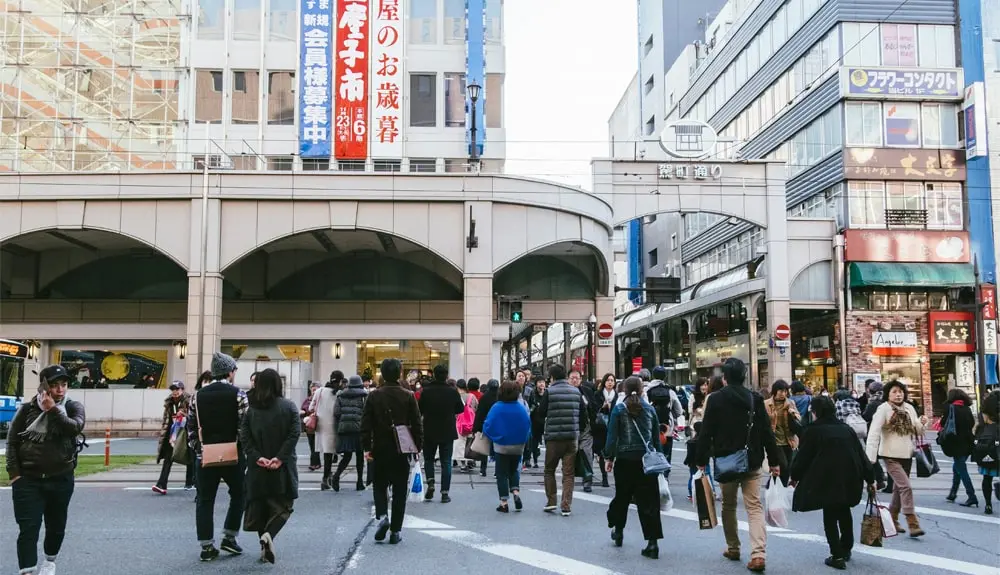
‘Walking pneumonia’ surges in Japan. Is this a real disease?
According to news reports, Japan is experiencing a major outbreak of ‘walking pneumonia’. More than 6,000 cases have been reported to health authorities this year. This is the highest case numbers in almost 25 years. Health authorities are urging people to use preventive measures such as masks in crowded areas.
‘Walking pneumonia’ is a term used to describe the respiratory tract disease, mycoplasma pneumonia (M. Pneumonia). Most infected individuals experience a mild upper respiratory tract or chest-related illness which doesn’t impact on daily activities. The individual doesn’t find the problem restricts daily activities and unless they take personal precautions can spread the disease into the wider community – hence walking pneumonia.
What is Mycoplasma Pneumonia?
Mycoplasma pneumonia is an important bacterial infection in children as well as adults and can be life threatening. It is responsible for a wide range of illnesses including sore throat, middle ear infection, laryngitis, bronchitis and pneumonia. It can also cause the rare neurological illness guillain-barre syndrome. Health professionals are most concerned when it is identified in a community outbreak of pneumonia. M pneumonia is responsible for up to 8% of cases of community acquired pneumonia.
Natural immunity to the disease is only short-lived and individuals can experience multiple infections over a lifetime.
M. Pneumonia is found globally. Outbreaks occur at any time of the year but are more likely in summer and early autumn. The Japanese believe there is a strong correlation between the disease and increased environmental temperatures. This may account for an increasing number of cases reported in northern Europe over the last 15 years. We may see more outbreaks of ‘walking pneumonia’ with climate change.
According to the United States Centre for Disease Control (CDC), M. Pneumonia is responsible for an estimated 2 million infections annually. The true numbers are not available as it isn’t notifiable under their infectious diseases surveillance system.
It is not a notifiable disease in Australia.
Reducing your risk of M. Pneumonia disease
M. pneumonia is spread via droplet infection when an infected person coughs or sneezes. Proximity to an infected person places you at risk. It is also spread via objects contaminated by an infected person. Keeping your distance, handwashing and consideration of masks in high-risk settings all have a role in reducing the risk of mycoplasma and other respiratory disease when travelling. Older people and those with significant co-morbidities are most at risk of serious disease.
Should travellers be concerned?
Travellers are always at a higher risk of contracting respiratory tract infections.
Airports, crowded shopping precincts and all forms of commuter transport are all high-risk environments.
It is important to remember that airports have no hemisphere bias as they are a potpourri of the global community.