Schistosomiasis in southern Africa
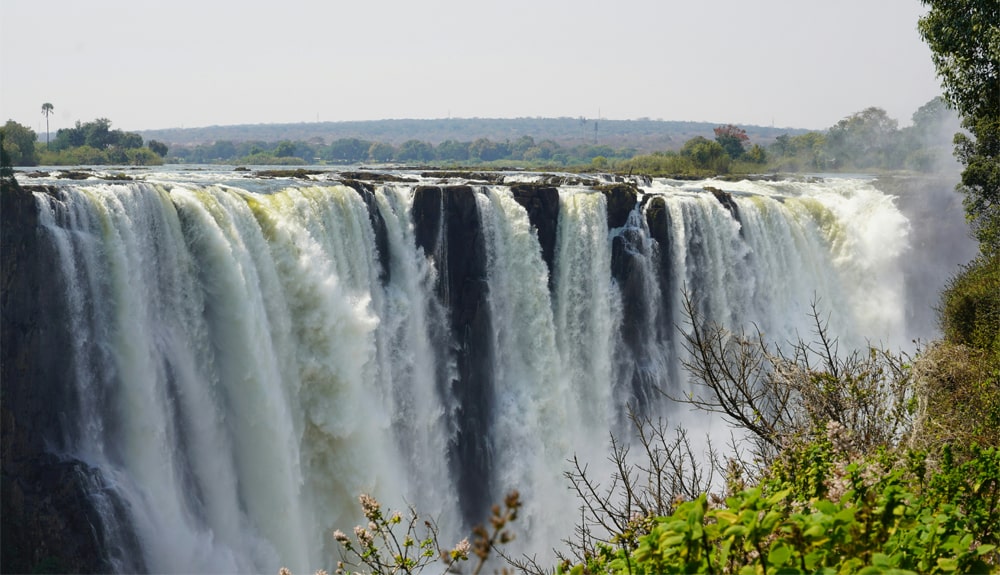
A trip to Africa is on the bucket list for many. Travel itineraries can vary considerably as can accommodation and mode of travel. There is something for everyone from do-it-yourself local bus travel to fully escorted boutique travel in small groups. Popular destinations in southern Africa include the Okavanga delta in Botswana, Victoria Falls and the Zambezi River between Zimbabwe and Zambia and Lake Kariba. Fresh water exposure can be high for some and very low for others.
A recent report from the Limpopo Provincial Government in South Africa of an “outbreak” of schistosomiasis (bilharzia) in a primary school should alert travellers to the disease and how exposure occurs. The report advises residents in affected areas to “refrain from swimming in rivers, streams and potentially contaminated water” and to boil all water. This is a well-recognized area of risk.
Schistosomiasis transmission, impact and risk for travellers
Schistosomiasis is a tropical disease caused by a microscopic worm or “fluke”. It is a “neglected tropical disease” (one which causes substantial illness in many people globally).
Infective stages called “cercariae” penetrate skin that is exposed to infected water, usually in lakes and rivers. Part of their life cycle takes place in snails at the water’s edge. The fluke develops in the infected person and can cause problems over time. It is the worm eggs that are responsible for organ damage.
While this disease is commonly diagnosed in Africa, it would be unusual for the disease to be diagnosed in a group tour traveller to southern Africa. Higher risk settings include the trans African traveller who might be undertaking a truck safari from Victoria Falls to East Africa and the long-term resident anywhere in Africa.
Evidence of past exposure is often found in migrants from Africa.
Who’s most at risk and how to stay safe
Surveillance data over a 14-year period from the European Network for Tropical Medicine and Travel Health identified those returning to Africa to visit friends and relatives and young adventurous travellers to be most at risk of exposure. They found it unusual for returning migrants to seek pre-travel health advice and young travellers would still swim in potentially contaminated areas despite any pre-travel advice.
The report identified Lake Malawi, Lake Victoria in East Africa and Mali in West Africa as areas of concern.
Many cases of schistosomiasis were picked up at post travel medical check-ups. This might be considered for expatriate workers, those visiting family and friends in high-risk settings and the adventurous overland traveller.