Free RSV vaccine for Australians over 75 from 15 May 2026
The Respiratory Syncytial Virus (RSV) vaccine will be made available under the national immunisation program (NIP) to all Australians over 75 years of age from May 15th, 2026.
It will be free of charge and should be seen as a public health initiative aimed at reducing the number of hospitalisations and deaths in this age group. Aboriginal and Torres Strait Islander people are eligible from 60 years of age.
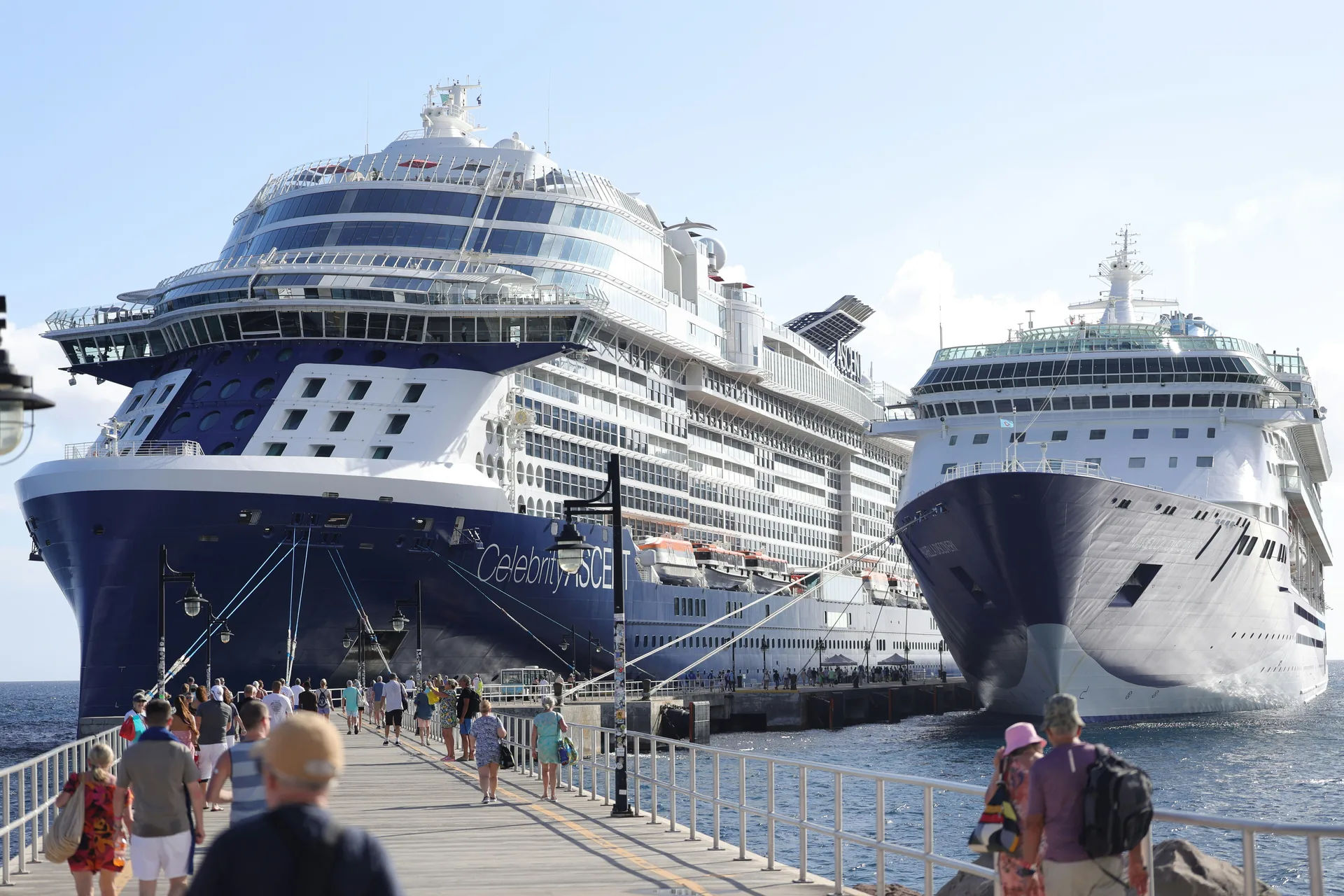
It is great news for older Australians who are at much greater risk of respiratory tract infections when travelling in crowded settings such as airports, commuter transport and group travel. It is also very important for those considering cruising.
The vaccine has been available in Australia in the private market since early 2024. Unfortunately, the cost (just under $300.00) of the vaccine has always been viewed as a barrier to its broader use in the community. This initiative is welcome news to all.
Respiratory Syncytial Virus is a notifiable disease in Australia
More than 176,000 cases of RSV have been reported over the last 12 months (to March 29, 2026).
In the United States, RSV is estimated to cause more than 160,000 hospitalisations and 10,000 deaths annually. The risk of dying is greater in those with underlying health issues (asthma, chronic obstructive lung disease and heart failure).
In one USA study, RSV was identified as the causative organism in at least 12% of older adults who sought medical attention.
The RSV vaccine has been free to certain high-risk groups in the UK since September 2024. Their recommendations were updated in March 2026 providing a free vaccine from April 2026 to anyone older than 75 years or resident in a care home for older adults. The care home program is aimed at reducing the impact of serious outbreaks.
What is Respiratory Syncytial Virus (RSV)?
RSV is a highly infectious respiratory tract virus. It is recognised as one of the most common causes of respiratory tract infections in children and older adults. The disease has a wide spectrum of symptoms, from very mild to severe.
RSV circulates in the community during the winter months in temperate climates and during the hot humid months of the wet season in tropical areas.
Two types (A and B) have been identified. Only one seems to predominate in any season.
The disease has high rates of hospital admission in high-risk groups.
How is RSV transmitted?
The disease is transmitted through large droplet infection. It is acquired through touching contaminated surfaces and then self-inoculation. The virus can survive on hard surfaces for many hours. It is less likely to be transmitted by aerosol, but it is possible within a short distance (under 1.5 metres).
Those infected with RSV are contagious from 1-2 days before showing symptoms and for a few days afterwards.
Most children have experienced their first infection by 2 years of age. It is usually picked up outside the home – in childcare centres and school.
Transmission within healthcare facilities is common.
Repeat infections are common at any age.
Who is at risk of serious RSV disease?
Most people will experience a mild illness with RSV disease. Those most at risk of serious disease include very young children (under 5 years), older individuals (> 65 years), and people who might be Immune suppressed.
Approximately 2-3% of infants with RSV will require hospitalisation.
Co-morbidities such as asthma, chronic lung disease and heart failure may also contribute to more serious disease and hospitalisation.
How is RSV prevented?
Non vaccination
Most respiratory viruses can be avoided by simple measures.
- Hand washing
- Avoiding close contact with sick people, particularly children
- Avoid touching your face with unwashed hands
- Keeping surfaces clean
Vaccination
Two vaccines are currently available in Australia.
Arexvy (GSK) The vaccine is approved for use in those over 60 years.
It is recommended for:
- All individuals over 75 years (now funded under the NIP)
- Individuals 60 –74 years with medical conditions that increase the risk of severe RSV disease.
- First Nation adults aged 60 – 74 years (now funded under the NIP)
- Anyone over 60 years who feels at high risk of exposure (grandparents, childcare workers, teachers etc).
Abrysvo (Pfizer) It is also approved for use in those over 60 years.
If you’re planning travel over the coming months and want to know whether the RSV vaccine is right for you, you can book an online consultation with one of our travel doctors.
When is the best time to be immunised?
It is best to have the vaccine before the season of risk (autumn and winter).
Is the RSV vaccine an annual vaccine like the flu?
No. It is not an annual vaccine currently. More will be known about the length of protection in the next few years.
What is the level of protection?
In one large study the vaccine was shown to reduce symptomatic lower respiratory tract disease by more than 80% in the first year and over 55% in the second year.
Did you know?
We only ever develop limited long-lasting immunity to RSV. Repeated exposure to young children may help to keep up our immunity through our adult years. Unfortunately, this may wane considerably as we age. Later exposure, as grandparents or carers, now with other health issues, may result in more serious disease. Vaccination now offers us another strategy to prevention.
Grandparents are often a valuable resource when small children are sick and unable to attend school or childcare! Vaccination is a sensible option if you fit into this group.
Grandparents should always be mindful of the RSV risk in caring for sick children prior to travel!