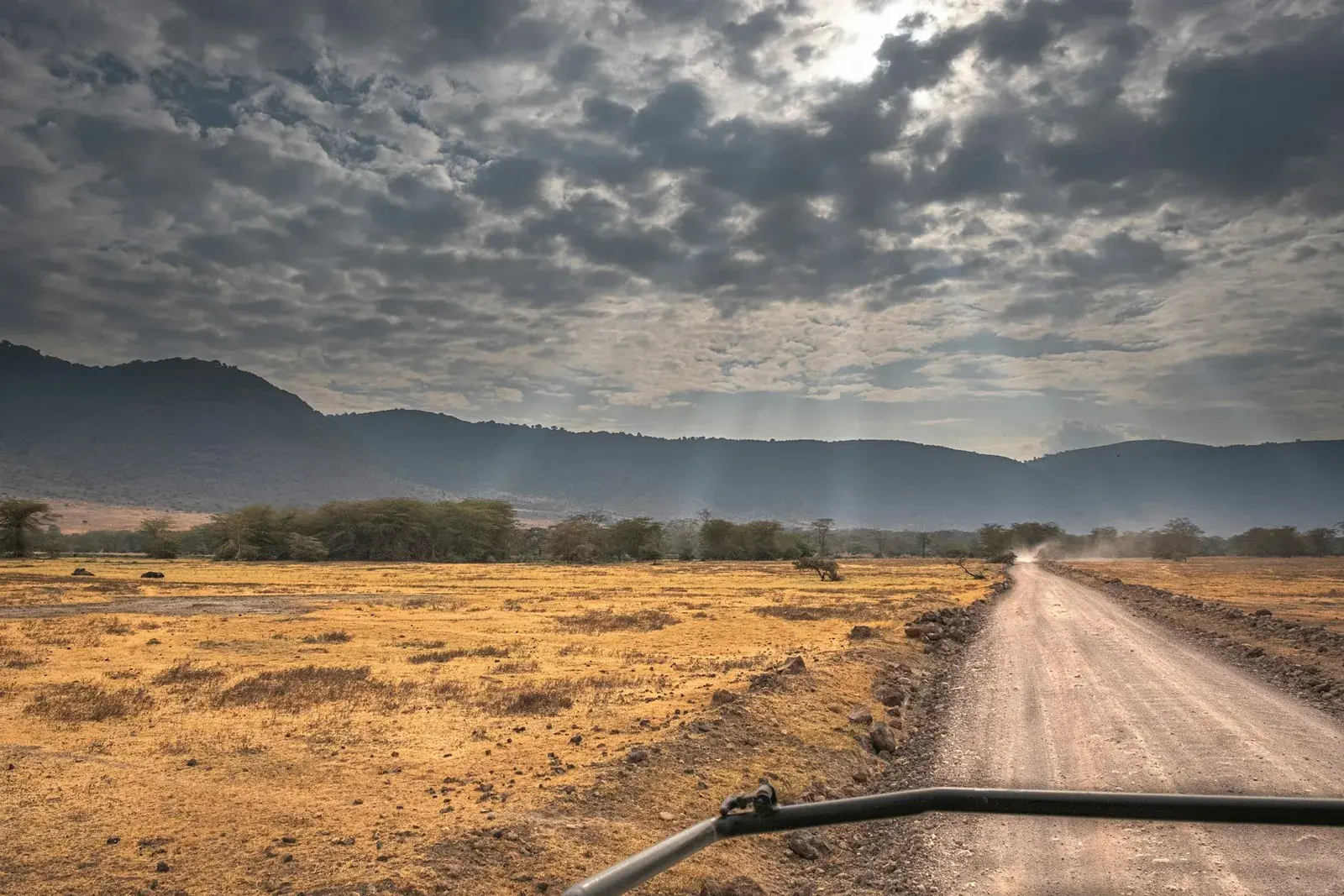
La Niña conditions in East Africa increase the risk of Rift Valley fever outbreaks.
Above average rainfall is predicted during April and May in East Africa this year. This brings with it a higher risk of Rift Valley fever outbreaks. Torrential rainfall has already been experienced in southern Kenya, Tanzania and South Sudan.
The Food and Agriculture Organisation (FAO) has triggered an early warning for the current season.
What is Rift Valley fever?
Rift Valley fever (RVF) is a viral disease commonly seen in domesticated animals such as cattle, sheep, goats and camels.
Most human infections result from direct contact with the tissues and organs of infected animals, but it can be transmitted to humans by mosquitoes and flies as a vector-borne disease.
It can also be acquired through ingesting unpasteurised milk of infected animals.
The disease has not been shown to pass from person to person.
The disease can range from a mild flu-like illness to severe haemorrhagic fever resulting in death. It is more an occupational risk for herders, slaughterhouse workers and veterinarians.
A history of outbreaks
The virus was first identified in the Rift Valley of Kenya in the early 1930's. Major outbreaks have occurred in Egypt, Sudan and West Africa. In 2000, it was reported for the first time outside of Africa in Yemen and Saudi Arabia.
An outbreak of RVF occurred in Mauritania in 2020. There were 78 reported cases and 25 deaths. Cattle and camels were affected. Cases were also reported in Senegal in October 2025.
Public health aspects of RVF can be sourced at the World Health Organization fact sheet. CDC (US) has an excellent RVF Distribution map. No outbreaks have been mentioned in WHO's recent weekly bulletin.
Travelling to East Africa during the wet season? Book a pre-travel consultation with one of our travel doctors.
Risk to Travellers
The risk to travellers is very low.
Expatriate and humanitarian workers in the agricultural sector, in areas of risk, should be aware of the disease. Risk is greatest during outbreaks. Individuals should take extra precautions if spending time in outdoor areas at night during an outbreak of the disease.
Practical bite-prevention measures, including the use of repellents containing DEET or picaridin and sleeping under permethrin-treated nets, are covered in our guide to mosquito avoidance.
For tailored advice on travel to East Africa, you can book an appointment with one of our travel doctors.