Oropouche virus disease in the Americas in 2025
According to PAHO (Pan American Health Organisation), 12,786 cases of confirmed Oropouche have been notified in the Americas Region to August this year.
Eleven countries have been involved. These included Brazil (11,888), Panama (50), Peru (330), Colombia (26), Cuba (28), Venezuela (5), and Guyana (1). Imported cases were notified in Chile, Uruguay, Canada, and the United States.
Notifications are becoming more common outside the usual endemic zone (Amazon basin). This has become a major concern for public health officials in the region.
Over 16,000 cases were notified in 2024.
Imported Cases in Europe and the UK
Oropouche virus disease was reported in three UK residents who had visited Brazil between February and April this year (2025). It has also been reported in Germany and other European destinations. In 2024, 44 imported cases were reported in EU countries.
Transmission of Oropouche
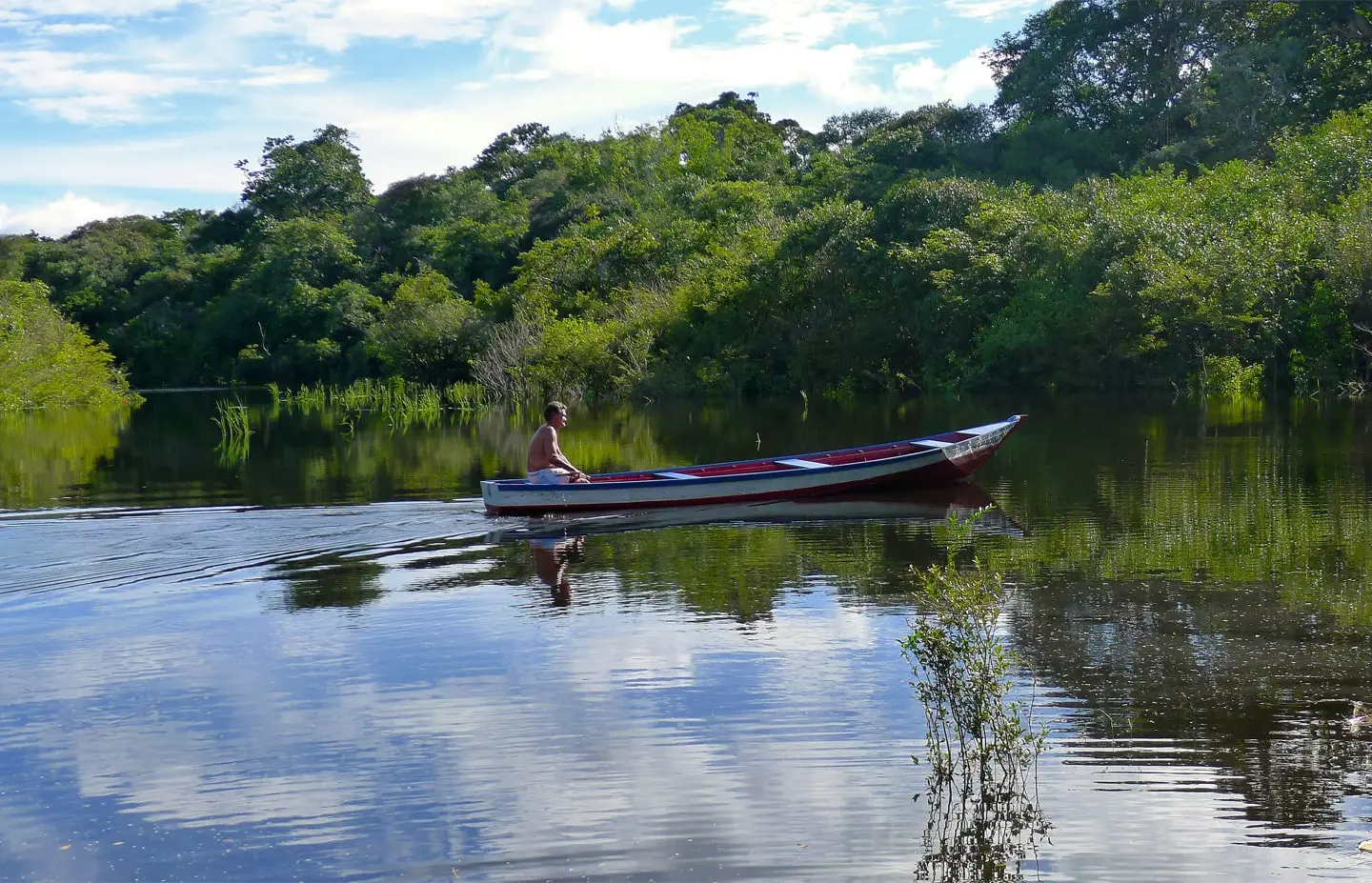
Oropouche is a viral disease transmitted to humans by midges and perhaps mosquitoes. It is endemic to the Amazonas region and has both a jungle cycle involving non-human primates, sloths and birds, and an urban cycle. It was first described in Trinidad, over 60 years ago, and has been responsible for many outbreaks, mostly in the Amazonas.
The role of sloths and primates in this jungle cycle has led to Oropouche sometimes being referred to as “Sloth Fever.” You can read more about this aspect of the disease in our article Understanding Sloth Fever.
Public Health Significance
It is responsible for significant morbidity in the Americas and considered to be the second most frequent insect-borne febrile disease to dengue fever in Brazil.
It is generally viewed as a mild illness lasting 2 to 7 days, but recent outbreaks have identified an association with stillbirths and possible congenital anomalies including microcephaly.
Outbreaks in many areas have led to cases being diagnosed in returned travellers to several countries and a concern that the disease might spread to new regions with favourable conditions and receptive hosts (midges, mosquitoes).
Breeding habits of midges
Midges breed in moist habitats like mud together with abundant decaying organic matter (rotting banana and plantain stalks).
High numbers are mostly observed in the warmer, rainy months of the year.
The is no vaccine for Oropouche virus disease
There is no vaccine for the prevention of Oropouche virus disease.
Travellers must reduce their risk of exposure through personal protection measures. The potential teratogenic effect should be raised in pregnant travellers.
Avoidance and protection measures
Avoidance measures include and are similar to protective measures for mosquito-borne disease:
- Reduce exposure time by modifying activities. Be aware of peak biting times and where they breed.
- Wear light-coloured clothing. Cover arms and legs as much as possible.
- Tuck trousers into socks and don’t wear sandals in areas with ticks.
- Permethrin impregnation of clothing, camping gear and curtains.
- Avoid highly scented perfumes or toiletries.
- Sleep in air-conditioned accommodation or under mosquito nets (preferably impregnated with permethrin)
- Use personal repellents on exposed skin (see table).
- Use insecticide aerosols, mosquito coils or other agents in the immediate environment.
- Ensure your accommodation is well protected against insects in the case of nighttime biting insects.
DEET-containing Repellents (N,N-diethyl-meta-toluamide)
The higher the concentration the longer it protects. There seems, however, to be no added benefit beyond 50% concentration. DEET is toxic when ingested and may cause skin irritation in some people.
DEET has been used over a long period of time and by many millions of people with few reported serious side effects. Despite this, a few precautions should be undertaken.
- Apply DEET lightly to exposed areas only. Do not use on covered areas.
- Where possible, wash off on returning indoors.
- Do not apply to open cuts or sores.
- Do not use aerosol applications to the face directly. Apply to the hands and then rub on the face avoiding eyes and mouth.
- Do not allow young children to apply it to themselves. Special weaker formulations are available for children. If they have never used it before, it is wise to test a patch on the arm for a few days before applying all over.
- Can be used during pregnancy or when breast feeding.
- If sunscreens are to be used with repellents, then the sunscreen should be applied first. Wait 20 minutes before applying the repellent.
Protection time of DEET formulations
| CONCENTRATION OF DEET | PROTECTION TIME (approx) |
|---|---|
| 30% | 8 hrs |
| 15% | 5 hrs |
| 10% | 3 hrs |
| 5% | 2 hrs |
Midges and mosquitoes are most active first thing in the morning and late in the afternoon. Two applications of a repellent are generally necessary. DEET 30% is a good option.
Other Repellents - Picaridin, Citronella & Lemon Eucalyptus
Picaridin
Picaridin is a newer chemical insect repellent. A 20% concentration is as effective as 20-30% DEET for 4-6 hours.
Citronella
Citronella works for only a short period of time, perhaps around 20 minutes
Lemon Eucalyptus
Protection from other Australian plant products show very little protection apart from oil of lemon eucalyptus. It is weaker than DEET and Picardidin, lasting only about 2 hours. It should not be used on children under 3 years. It should not be applied to hands or around the mouth and eyes.
Permethrin
Permethrin is similar to a naturally occurring chemical called pyrethrum. Pyrethrum was initially derived from the flowers of the daisy Chrysanthemum. The insecticide properties of the flower have been recognized since the 18th century. The synthesized product has been available for over 30 years. It is colourless, odourless and biodegradable.
Permethrin acts as a “knockdown” insecticide. It is not a repellent. It damages the central nervous system of insects which encounter it.
It is effective against many insects including mosquitoes, midges, fleas, ticks, bedbugs, chiggers, mites and flies.
Permethrin-treated bed nets have been found to significantly reduce malaria rates in children in Africa and the Western Pacific region.
Once opened to the air, the net should be treated every 6 months to retain its potency. Permethrin can also be used to impregnate clothes, tents and window drapes. It adheres well to fabrics like cotton and will remain effective for between 5 and 10 washes. It is not recommended for skin application.
Midges in Australia
There are over 200 species of midges in Australia. There is currently no evidence that any can transmit oropouche virus disease. A very useful PDF guide on midges and the prevention of bites was produced by Environmental Health Directorate.