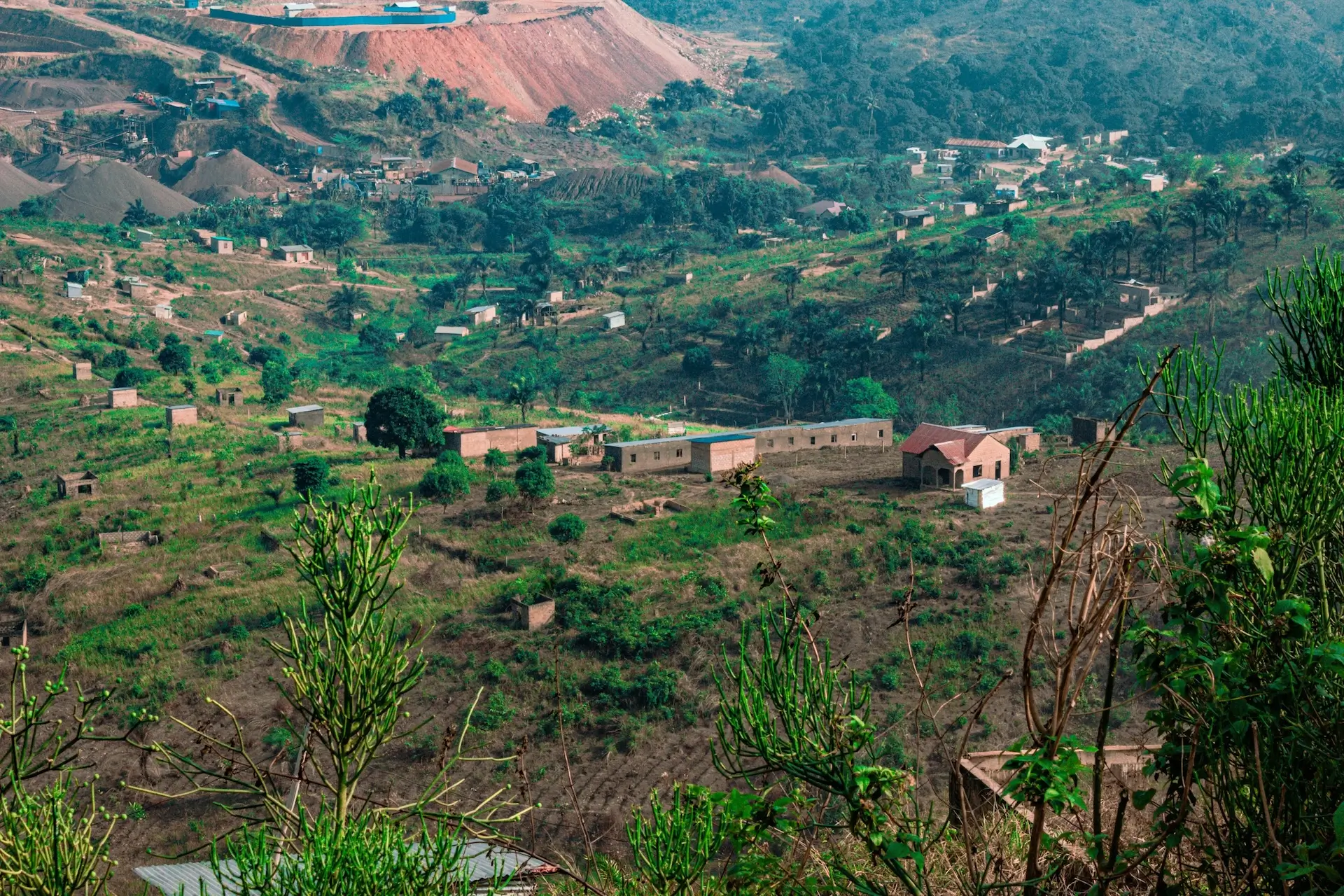
Ebola outbreak highlights the importance of good surveillance and early reporting
An outbreak of Ebola virus disease has been reported by WHO in the Democratic Republic of Congo. As of September 4, 2025, twenty-eight suspected cases have been reported with fifteen deaths.
Four health-care workers have died.
All cases are within the Bulape and Mweke health zones in the Kasai Province of the DRC.
According to WHO, this is the 16th outbreak in the DRC since 1976 with the last one occurring between August and September 2022. The Bulape district experienced an outbreak in 2007.
It has been identified as the Zaire strain of Ebola virus disease. There is an effective vaccine for this strain of Ebola. Vaccines are stored in countries at risk.
Vaccination programs are undertaken during outbreaks. According to reports, the DRC has more than 2,000 doses of vaccine which can be made available to contacts of cases and frontline healthcare workers.
What is Ebola Virus Disease?
Ebola disease is described as a group of diseases caused by 4 ebolaviruses. They are responsible for severe disease in humans. It is possible the reservoir host animal does not experience serious illness, but ebolaviruses are known to cause serious disease in non-human primates such as monkeys, gorillas and chimpanzees. It is believed that fruit bats are most likely involved in the transmission of the disease.
Case fatality rates range from 25% to 90%, depending on the strain.
Ebola outbreaks occur periodically in Africa. Most are explosive and all attract media attention. The 2014 West African epidemic was unusual in its scale and catastrophic for the countries involved. The virus got a head start due to the geopolitical and cultural characteristics of the region. More than 11,000 people died during this outbreak. Ten countries reported cases. Most cases were in Sierre Leone, Liberia and Guinea.
Previous Central and East African outbreaks had been relatively easily contained by the strict quarantine and personal protective equipment measures which are known to be effective.
Ever since Ebola was first detected in 1975 in Sudan and the Democratic Republic of Congo, those who have caught the disease have been in close contact with an infected person who already had symptoms of severe illness. The initial or "index" case had acquired it from handling an animal or raw animal meat e.g. primates and forest antelope. The animals have probably been infected by eating fruit contaminated with bat droppings.
How is Ebola transmitted?
Researchers believe the virus is zoonotic (transmitted from an animal to a human) with bats the likely reservoir (it doesn't affect them). There are 5 sub-types of the virus and four have been found in animals in Africa.
Ebola can only be passed from person to person through direct contact with the blood or other bodily fluids (e.g. saliva, sweat, respiratory droplets, urine, semen) from infected people or animals – dead or alive.
EVD is not an air-borne virus like influenza or measles. Unlike flu and measles, Ebola survives only a short time on hard surfaces. Measles, flu and COVID-19 are much more infectious than Ebola, but less life-threatening.
It’s worth noting that even people who have recovered can pass on the virus through unprotected sexual contact for up to seven weeks.
Ebola risk to travellers
When African outbreaks of the disease are reported in the media, the common question arises.
“I’m about to go to Africa. Should I be worried about Ebola?”
For leisure travellers, the short answer is ‘no’: Even for those planning to stay long term, the risk of acquiring Ebola Virus Disease (EVD), is extremely low. Most people visiting West Africa are not likely to be at risk.
Those who could potentially be exposed include:
- People visiting family or relatives in a region where an outbreak is occurring and who will be staying in family homes for an extended period.
- Healthcare workers based in hospitals or other facilities in areas where (1) outbreaks are occurring, or (2) where the sick are being taken for treatment.
How Ebola is NOT transmitted
You cannot catch Ebola from:
- Casual contact with people in public places – even from an infected person, unless they are exhibiting symptoms, and you are within a metre of them.
- Mosquito bites.
- Handling everyday items like money or groceries.
- Swimming in a pool.
Ebola prevention measures
Much remains to be learned about the transmission of Ebola Virus. Hence there are few established primary prevention measures. Outbreaks over the last 20 years have been managed by isolation of cases and barrier nursing. The challenge now is being able to implement the isolation of cases in situations where there is a lack of services and trust, as well as high population density.
At a personal level, reduce the risk of Ebola infection:
- Avoid direct contact with blood or bodily fluids, or with objects recently contaminated with them.
- Avoid close contact with wild animals – some wild animals can carry the virus. (Don’t handle or eat ‘bush meat’ or bats.)
- Avoid unprotected sex.
It is quite unusual for the World Health Organisation (WHO) to recommend that any travel or trade restrictions be applied to a country involved. Expatriate workers in high-risk locations may be advised to leave for a period.
For more information of Ebola, see: