Healthy Travel Logo
Healthy Travel Logo

Vietnam Travel Vaccinations

Vietnam is a low middle-income country in Southeast Asia.
Book a Travel Health Consult

Maggie Phillips

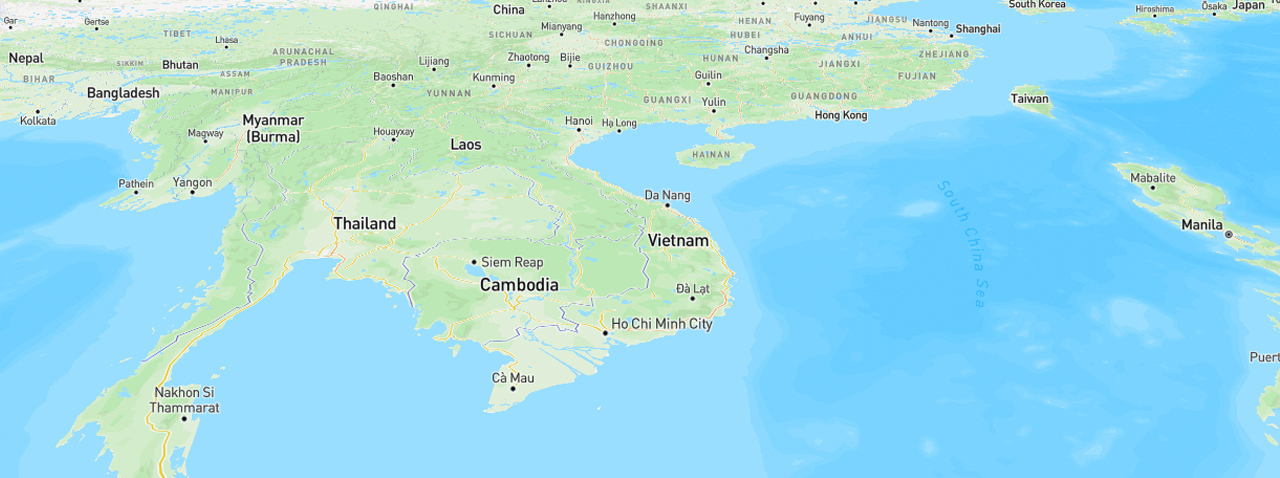
Vietnam is a popular destination for Australian travellers and often combined with a stay in Cambodia. There is a wide range of accommodation choices.  Major tourist destinations include the major centres of Hanoi and Ho Chi Minh plus the regional centres of Halong Bay, Da Nang, Hoi An and Hui, to mention a few. There are many 5 star beach stays in places like Nha Trang.

Health advice will vary depending on the reason for travel (holiday, work, volunteering, visiting friends or relatives), type of accommodation (5 star resort, Airbnb, homestay), length of stay, season (wet or dry), and travel destinations within Vietnam - whether you're exploring bustling cities like Saigon, rural villages or coastal regions.

Travel Vaccinations for Vietnam

Vietnam is considered low risk for exotic diseases, but there are still several health concerns that could affect your stay. It's important to be up to date with your routine vaccinations and to seek advice on whether any additional travel vaccines are recommended for Vietnam. Consult a healthcare provider 6 to 8 weeks before leaving. Your current health status and any pre-existing conditions may also influence the type of travel and activities that are suitable for you.

Routine

Completed childhood immunisations, Tetanus/ Diphtheria/ Pertussis vaccine booster if > 10 years, Influenza > 65 years, Influenza > 6 months and < 5 years, Pneumonia vaccine > 65 years, Shingles > 65 years, RSV vaccine > 75 years.

Routine (other)

To consider if immune-suppressed (check with health provider).

Recommended

Hepatitis A, Influenza, COVID-19.

Recommended depending on the nature of the trip

Hepatitis B (if unvaccinated), Typhoid, Rabies, Japanese Encephalitis.

To be considered if exposed to wildlife species. Individuals may include conservationists, ecologists, biologists or veterinarians

Rabies.

Particular to age

Measles booster if born between 1966 and 1980.

Travel Considerations

Consider taking a basic medical kit along with any extras suited to your planned activities in Vietnam - for example items for trekking, remote travel or hot & humid conditions. Always carry a doctor's letter outlining your medications and keep it in an accessible place. Never travel without comprehensive travel insurance.

Accidents

Travellers are much more likely to die or be injured than to be sick with an exotic disease. Travellers in the age group 15-44 are...

Learn More

Air Pollution

When Australians travel overseas, they will usually experience air quality worse than they are used to at home. It has been known since the industrial...

Learn More

Allergy

Allergy can present in different ways. Red, itchy lumps can occur anywhere on the body. Inhaled allergens eg pollens can cause an itchy runny nose and...

Learn More

Animal Bites

Animal bites are a common health issue in overseas travellers. The health implications are important, particularly regarding mammalian bites which carry...

Learn More

Bed Bugs

Bedbugs are intensely irritating blood sucking insects that are found worldwide. They hide in cracks and crevices in the wall and come out to feed at night ...

Learn More

Extreme Weather

Apparently, a naked adult human feels most thermally comfortable in an air temperature of 30 deg C. We have complex mechanisms to thermo-regulate, so that ...

Learn More

Mosquito Avoidance Measures

Mosquito-borne and insect-borne diseases pose a significant threat to travellers, especially those who are considering a long-term stay in a...

Learn More

Respiratory Tract Infections

Respiratory tract infections (RTI’s) are the 3rd most common health issue affecting international travellers. Attack rates range from 5% to 40% depending on the...

Learn More

Security

For most people, overseas travel is “occasional” rather than “usual”. For some it is a very new experience. Security issues should not be forgotten...

Learn More

Skin Infections

A skin infection is a condition in which germs enter through the skin, The infection can cause pain, swelling and skin discolouration. If neglected there can...

Learn More

Sun Protection

At high-risk times it can take just 10 minutes to experience a significant sunburn. There are many ways to reduce the risks of sunburn and skin cancer...

Learn More

Travel Insurance

There is nothing wrong with travelling on the cheap. It is almost a rite of passage for young travellers. It often means very basic accommodation, street...

Learn More

Traveller’s Diarrhoea

Diarrhoea is the commonest health issue experienced by travellers to lower income countries. Applies more for travellers who have grown up in a high-income...

Learn More

Tropical Ear

Swimmer’s ear is a common health problem in hot, humid climates. It is an inflammation of the lining of the outer ear canal. In 98% cases it is caused by...

Learn More

Diseases

Medkit

Hantavirus

Group of viruses mostly carried by rodents (mice, rats, voles). ..

Learn More
Medkit

Covid-19

Coronavirus disease (COVID-19) is an infectious disease caused...

Learn More
Medkit

Influenza

Influenza (flu) is a highly infectious respiratory virus...

Learn More
Medkit

Melioidosis

Melioidosis is an infectious bacterial disease of humans and animals...

Learn More
Medkit

Typhoid Fever

The disease, typhoid fever, is caused by a bacterium. Salmonella...

Learn More
Medkit

Tuberculosis

This dreaded infection has killed many famous people in the prime

Learn More
Medkit

Avian Influenza

Avian influenza or “bird flu” is a very infectious disease of...

Learn More
Medkit

Hepatitis A

Hepatitis A is a viral infection of the liver. It is mostly transmitted..

Learn More
Medkit

Filariasis

Filariasis is a parasitic disease caused by a microscopic worm...

Learn More
Medkit

Plague

Plague is an infectious disease caused by a bacterium called...

Learn More
Medkit

Zika

Zika is a viral disease transmitted from animals and...

Learn More
Medkit

Japanese Encephalitis

Japanese encephalitis is a viral disease transmitted by mosquitos...

Learn More
Medkit

Chikungunya

Chikungunya is a viral disease transmitted to humans by mosquitos...

Learn More
Medkit

Malaria

Malaria is a life-threatening parasitic disease...

Learn More
Medkit

Dengue Fever

Dengue fever, also known as ‘break bone’ fever, due to...

Learn More
Medkit

Rabies

Rabies is a fatal viral disease of the central nervous system...

Learn More

Vietnam FAQs

Vietnam has a low risk of exotic disease.  Some vaccinations are recommended but you don’t need to go over the top.

Most travellers would be advised to have their routine immunisations current and strongly consider Hepatitis A.  You might not consider a flu vaccine under normal circumstances but taking a break in the middle of winter and transiting airports does put you at risk. A true flu can last 5 to 7 days and make you a very undesirable travelling companion, particularly if it’s a special occasion.  Air pollution can be a consideration during the winter months in the northern areas. Unfortunately, you can’t vaccinate for this, but you can use avoidance measures (masks) if you are at risk of chest issues.

The other “food and water vaccine”, typhoid, might be considered for the more adventurous eaters or if staying with friends and relatives in a more rural setting. Cases of typhoid do occur.

Accommodation in Vietnam can range from 5-star resorts to backpacker homestays.  Water and sanitation issues are much more likely in those staying in basic accommodation. Cruising on the Mekong is also popular, and cruise boats come in all sizes.  Time ashore needs to be considered.

There is no vaccination for traveller’s diarrhoea but attention to the rules of eating and drinking safely should help to keep you safe.  Some people seem to be at a higher risk of travellers diarrhoea while others might be on medications which might increase their risk.

Other more exotic vaccines for the prevention of rabies, japanese encephalitis and cholera really depend on what you intend to do, time away and season of travel. Those offered to a long-term resident might be very different to a short-term visitor.

Yes, typhoid fever is a risk in Vietnam. How big a risk depends on what you intend to do regarding eating and drinking during your stay.

Overall, the incidence of typhoid in Vietnam has been declining over many years. This is likely due to improved access to safe water and better sanitation. Vietnam does have a low per capita income, but the government has managed to improve living conditions considerably over the last 20 years.

The risk would be very low if you intend to stay in an upmarket resort with very little in the way of visits to eateries in the local towns or villages. Most resort-based food would be prepared by internationally trained chefs who would ensure the food is prepared in a safe way. Vegetables can be rendered safe with cooking and salads chemically treated. Kitchen hands would be constantly reminded on their own personal hand hygiene. This might be done in high-end accommodation and restaurants but unlikely in markets or with street food.

Certain foods eg seafood (shellfish in particular) is always risky as are uncooked salad vegetables.

It is impossible for anyone to provide a “no risk” scenario. If you want to take some “risks” and you are a bit anxious about what you have read, then it is reasonable to have the typhoid vaccine. There are very few side effects, and the level of protection is reasonable (>70%). It lasts for 2 to 3 years.

Backpackers staying in basic accommodation and those visiting family and friends are more likely to be exposed. These groups have less control over the choice and preparation of food. Business travellers may be in a similar situation with little control over what is ordered when dining out with colleagues. This could be considered an occupational health risk.

Mosquitoes are most active during the wet season in Vietnam. This starts in late April/ May and lasts until October. The seasons are slightly different in the south and the north with the south experiencing 2 seasons, wet and dry, while the north has four distinct seasons like more temperate areas. Mosquito activity is also influenced by temperature with very little activity in the cooler months of the year in the northern areas. Mosquito activity is present most of the year in the south but peaks during the wet season.

Outbreaks of mosquito-borne disease are usually during the wet season. Large outbreaks can be influenced by seasonal variation as well as an increasing number of susceptible individuals within the population (usually children). In one study on the influence of climate, dengue fever showed a gradual increase in cases in northern Vietnam from April to August with peaks in September and October. Transmission was year-round in the south with a higher incidence between August to November.

Australia is a high-income country, and we can assume water from a tap is safe for drinking in major urban areas. It is highly regulated under public health guidelines where safety is determined by its physical, microbial and chemical quality. The same cannot be said for many overseas countries.

When travelling overseas it’s almost impossible to know where the water comes from. Is it locally treated within the property or is it dependent on public infrastructure. Is the infrastructure properly maintained and monitored?

Unless you can be sure of the quality of the water, the safest option is to use factory-sealed bottled water, particularly when travelling in low and low middle-income countries. Water can also be made safe by boiling, chemicals, or UV light. Local filtration systems might be considered by expatriate workers in high-risk locations.

Your attention to water safety is vital if you want to avoid a bout of traveller’s diarrhoea.

The malaria risk is low in Vietnam. According to CDC, there is no need to take prophylaxis if mostly visiting the major centres of Hanoi and Ho Chi Min City, and the coastal plains. Rare cases are reported in the Mekong delta. 

This doesn’t mean there is “no” risk, just that the number of cases is so low that taking medication is hard to justify.

There is risk in some rural areas, including Binh Phuoc province and the central highlands. There is a strong seasonal pattern in areas of risk, with cases increasing from September and a peak in November.

Mosquito avoidance measures are very important whether you are taking or not taking prophylaxis. The medications are not 100% protective and there is a risk of other mosquito- borne diseases such as dengue, chikungunya and zika.

Malaria must always be considered if you experience a fever while in Vietnam or on returning home. A simple blood test can help exclude the diagnosis. It might have to be repeated.

Last Updated: 05 July 2025

Book an Online Travel Health Consult

Some health problems can be avoided through vaccinations prior to travel, whereas others can be prevented by adopting avoidance measures gained through education and destination-specific advice. Speak with a leading Australian travel doctor via telehealth to prepare for your trip overseas.
Book an Appointment

Why Choose Us?

Convenient Telehealth Appointments
Expert Travel Health Advice
Australian Travel Doctors
Medical Kits Delivered
Transparent Fees
Secure Environment
location linkedin facebook pinterest youtube rss twitter instagram facebook-blank rss-blank linkedin-blank pinterest youtube twitter instagram