Thailand is one of the top 3 countries visited by Australian travellers. It offers a wide range of experiences from 5 star resorts in popular tourist destinations such as Phuket, Ko Samui and Krabi, to affordable Airbnbs and modest rural accommodation with local families in provinces like Chiang Rai or Isaan. Backpackers can enjoy travel at a very reasonable cost, with easy access to vibrant street food scenes, markets and cultural landmarks.
Health advice will vary according to the reason for travel (holiday, work, volunteering, visiting friends or relatives etc), accommodation type, length of stay, time of year (wet or dry season), and location (eg - urban areas like Bangkok vs rural or remote regions). Your current health status may also influence your travel plans and the precautions recommended.
Thailand is considered low risk for exotic disease but there are several health concerns that could affect your trip, depending on where you go and what you do. It’s important to be up to date with your routine vaccinations and to seek advice on whether any additional vaccines are recommended for travel to Thailand. Speak with a healthcare provider 6 to 8 weeks before departure. Your current health status may also influence your travel plans within Thailand.
Completed childhood immunisations, Tetanus/ Diphtheria/ Pertussis vaccine booster if > 10 years, Influenza > 65 years, Influenza > 6 months and < 5 years, Pneumonia vaccine > 65 years, Shingles > 65 years, RSV vaccine > 75 years.
To consider if immune-suppressed (check with health provider).
Hepatitis A, Typhoid, Influenza, COVID-19.
Hepatitis B (if unvaccinated), Rabies, Japanese Encephalitis.
Rabies.
Measles booster if born between 1966 and 1980.
Yellow Fever - Refer to CDC.
Consider taking a basic medical kit plus extras according to your intended activities. Always carry a letter regarding your medications and make sure it is easily accessible. Never travel without insurance.
Travellers are much more likely to die or be injured than to be sick with an exotic disease. Travellers in the age group 15-44 are...
Learn MoreWhen Australians travel overseas, they will usually experience air quality worse than they are used to at home. It has been known since the industrial...
Learn MoreAllergy can present in different ways. Red, itchy lumps can occur anywhere on the body. Inhaled allergens eg pollens can cause an itchy runny nose and...
Learn MoreAnimal bites are a common health issue in overseas travellers. The health implications are important, particularly regarding mammalian bites which carry...
Learn MoreBedbugs are intensely irritating blood sucking insects that are found worldwide. They hide in cracks and crevices in the wall and come out to feed at night ...
Learn MoreWhile it is estimated that there is only about 1 fatality for every 200,000 dives, about half of these occur in divers with fewer than 20 dives...
Learn MoreApparently, a naked adult human feels most thermally comfortable in an air temperature of 30 deg C. We have complex mechanisms to thermo-regulate, so that ...
Learn MoreMosquito-borne and insect-borne diseases pose a significant threat to travellers, especially those who are considering a long-term stay in a...
Learn MoreRespiratory tract infections (RTI’s) are the 3rd most common health issue affecting international travellers. Attack rates range from 5% to 40% depending on the...
Learn More
Most Australian’s consider sandflies annoying rather than carriers of serious disease! In fact, very few of the over 800 known...
Learn MoreFor most people, overseas travel is “occasional” rather than “usual”. For some it is a very new experience. Security issues should not be forgotten...
Learn MoreA skin infection is a condition in which germs enter through the skin, The infection can cause pain, swelling and skin discolouration. If neglected there can...
Learn MoreAt high-risk times it can take just 10 minutes to experience a significant sunburn. There are many ways to reduce the risks of sunburn and skin cancer...
Learn MoreThere is nothing wrong with travelling on the cheap. It is almost a rite of passage for young travellers. It often means very basic accommodation, street...
Learn MoreDiarrhoea is the commonest health issue experienced by travellers to lower income countries. Applies more for travellers who have grown up in a high-income...
Learn MoreSwimmer’s ear is a common health problem in hot, humid climates. It is an inflammation of the lining of the outer ear canal. In 98% cases it is caused by...
Learn MoreThailand is a low-risk destination for exotic disease. Some vaccinations are recommended but you don’t need to go over the top. It really depends on what you intend to do while there and how adventurous you are. A short break for a veg out in a five-star resort is very different to a back packing 3-month trip during the wet season.
Most travellers would be advised to have their routine immunisations current and strongly consider Hepatitis A. You might not consider a flu vaccine under normal circumstances but taking a break in the middle of winter and transiting airports does put you at risk. A true flu can last 5 to 7 days and make you a very undesirable travelling companion, particularly if it’s a special occasion. You should consider the COVID-19 vaccine in a similar way to flu. If you are under the age of 65 years and you haven’t had either the disease or a booster in the last 12 months, then an update might be sensible. For those over 70 years, vaccine protection is quite short, and a booster might be considered at 6 months. Remember, the incubation period is quite short and an exposure outbound might have a big impact on your stay.
The other “food and water vaccine”, typhoid, might be considered for the more adventurous eaters or if staying with friends and relatives in a more rural setting. Cases of typhoid do occur. Accommodation in Thailand can range from 5-star resorts to backpacker homestays. Water and sanitation issues are much more likely in those staying in basic accommodation.
There is no vaccination for the “Bangkok runs” but attention to the rules of eating and drinking safely should keep you safe. Some people seem to be at a higher risk of traveller’s diarrhoea while others might be on medications which might increase their risk.
Other more exotic vaccines for the prevention of rabies, japanese encephalitis and cholera really depend on what you intend to do, time away and season of travel. Those offered to a long-term resident might be very different to a short-term visitor.
“Thai Tummy” or the “Bangkok Runs” is just a destination-associated name for traveller’s diarrhoea. It should be seen in the same way as Cleopatra’s curse (Egypt), Delhi Belly (India), Montezuma’s revenge (Mexico) and the Mexican 2 step (Mexico). It must be common if there are so many names to describe the same thing. Most cases occur in the first week of travel and the illness can last for 3-5 days (not good if you are away for a week). It can be passed on from one person to another.
Traveller’s diarrhoea is more associated with contaminated food – quite different to the viral diarrhoea we see in a childcare setting where the disease is easily passed on by close contact or contaminated objects or hands. The risk of traveller’s diarrhoea can be reduced by paying good attention to the rules of eating and drinking safely while overseas.
Carrying medication in the event of illness is very important, particularly if heading to the airport or about to embark on an organised bus outing.
The topic is covered in detail in A Pocketbook on Healthy Travel.
Most health issues are annoying rather than life threatening. They are common to most destinations in southeast Asia.
These include traveller’s diarrhoea, respiratory tract infections, skin infections, sun-related concerns including heat stroke, fevers of unknown origin and mosquito-borne disease. Dengue fever is common in Thailand and is often associated with large outbreaks. Chikungunya and zika also occur. The Aedes mosquito is responsible for transmitting these diseases. It is an urban mosquito which breeds in small amounts of water (saucers under pot plants, ponds, upturned canoes etc). A good understanding of mosquito-avoidance measures is important, particularly if you are a “mosquito magnet”. Mosquito-borne disease is more common during the wet season. This is usually from May/June to October. Rainfall peaks in September.
Unfortunately, some health concerns are pre-existing, and any trip-related problems might have been avoided by a brief “check-up” with a family doctor prior to the trip. These include diabetes, chronic chest disease and flare ups of skin disease like eczema.
The malaria risk is low in Thailand.
According to CDC, there is no need to take prophylaxis if mostly visiting the islands of Krabbi Province or Pattaya city. Rare cases are occasionally notified in the major centres of Bangkok, Chiang Mai and Chiang Rai. The same can be said for the island’s region of Phuket, Koh Samui and Koh Pha Ngan.
When authorities say the risk is low it doesn’t mean there is “no” risk, just that the number of cases is so low that taking medication may be hard to justify. It doesn’t mean that you don’t need to be concerned about mosquitoes!
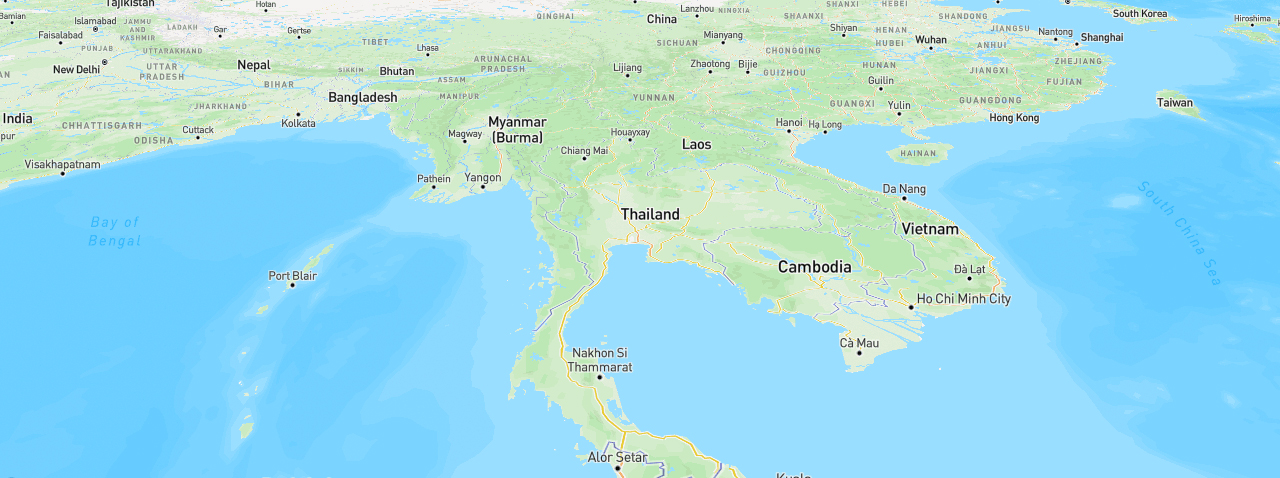
The main areas of concern in Thailand are those provinces bordering Myanmar, Cambodia, Malaysia and Laos. Prophylaxis needs to be considered if visiting these areas, particularly during the wet season. Consideration of nighttime accommodation is also important. Are there other forms of mosquito protection such as bed nets and screens.
There is a strong seasonal pattern in areas of risk, with cases increasing from September and a peak in November.
Mosquito avoidance measures are very important whether you are taking or not taking prophylaxis. The medications are not 100% protective and there is a risk of other mosquito- borne diseases such as dengue, chikungunya and zika.
Malaria must always be considered if you experience a fever while in Thailand or on returning home. A simple blood test can help exclude the diagnosis. It might have to be repeated.