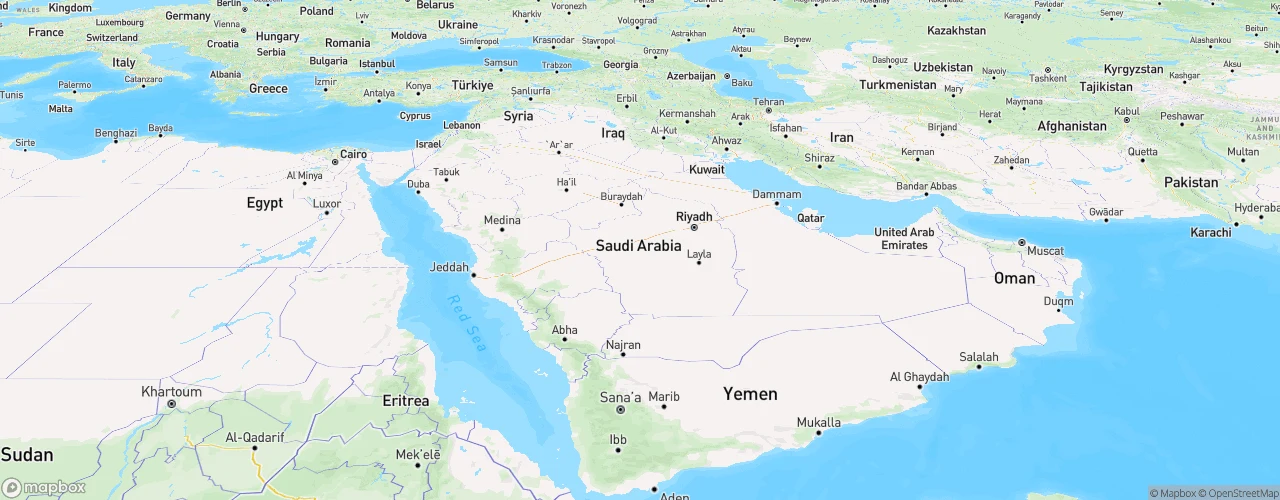
Saudi Arabia is an unusual destination for Australian travellers. Trips are often undertaken by individuals such as international students, returning to see family and friends. Australian holiday makers tend to travel in groups, staying in good accommodation in high-end hotels. Saudia Arabia does attract business travellers and individuals attending the Haj. Special conditions apply to those attending the Haj and Umra.
Overall, Saudia Arabia is low risk for exotic disease but there are a number of health concerns which might impact on your stay. It is important to be current for all your routine vaccines and to seek advice on whether other travel vaccines need to be considered. Speak with a healthcare provider 6-8 weeks before travel.
Completed childhood immunisations, Tetanus/ Diphtheria/ Pertussis vaccine booster if > 10 years, Influenza > 65 years, Influenza > 6 months and < 5 years, Pneumonia vaccine > 65 years, Shingles > 65 years, RSV vaccine > 75 years.
To consider if immune-suppressed (check with health provider).
Meningitis ACYW, Influenza.
Hepatitis A, Influenza, COVID-19.
Hepatitis B (if unvaccinated), Rabies.
Rabies.
Measles booster if born between 1966 and 1980.
Yellow Fever - Refer to CDC.
Consider taking a basic medical kit plus extras according to your intended activities. Always carry a letter regarding your medications and make sure it is easily accessible. Never travel without insurance.
Travellers are much more likely to die or be injured than to be sick with an exotic disease. Travellers in the age group 15-44 are...
Learn MoreWhen Australians travel overseas, they will usually experience air quality worse than they are used to at home. It has been known since the industrial...
Learn MoreAllergy can present in different ways. Red, itchy lumps can occur anywhere on the body. Inhaled allergens eg pollens can cause an itchy runny nose and...
Learn MoreAnimal bites are a common health issue in overseas travellers. The health implications are important, particularly regarding mammalian bites which carry...
Learn MoreBedbugs are intensely irritating blood sucking insects that are found worldwide. They hide in cracks and crevices in the wall and come out to feed at night ...
Learn MoreMosquito-borne and insect-borne diseases pose a significant threat to travellers, especially those who are considering a long-term stay in a...
Learn MoreRespiratory tract infections (RTI’s) are the 3rd most common health issue affecting international travellers. Attack rates range from 5% to 40% depending on the...
Learn More
Most Australian’s consider sandflies annoying rather than carriers of serious disease! In fact, very few of the over 800 known...
Learn MoreFor most people, overseas travel is “occasional” rather than “usual”. For some it is a very new experience. Security issues should not be forgotten...
Learn MoreA skin infection is a condition in which germs enter through the skin, The infection can cause pain, swelling and skin discolouration. If neglected there can...
Learn MoreAt high-risk times it can take just 10 minutes to experience a significant sunburn. There are many ways to reduce the risks of sunburn and skin cancer...
Learn MoreThere is nothing wrong with travelling on the cheap. It is almost a rite of passage for young travellers. It often means very basic accommodation, street...
Learn MoreDiarrhoea is the commonest health issue experienced by travellers to lower income countries. Applies more for travellers who have grown up in a high-income...
Learn MoreMERS is a respiratory illness. It is caused by a...
Learn More